Recipes and Cooking Guides
Cook, Learn and Discover
Explore traditional Indian recipes, understand ingredients, and learn useful cooking techniques for your kitchen.
Recipe Categories
Find a recipe by meal

Featured Recipes
Recipes to try this week
Traditional Drinks
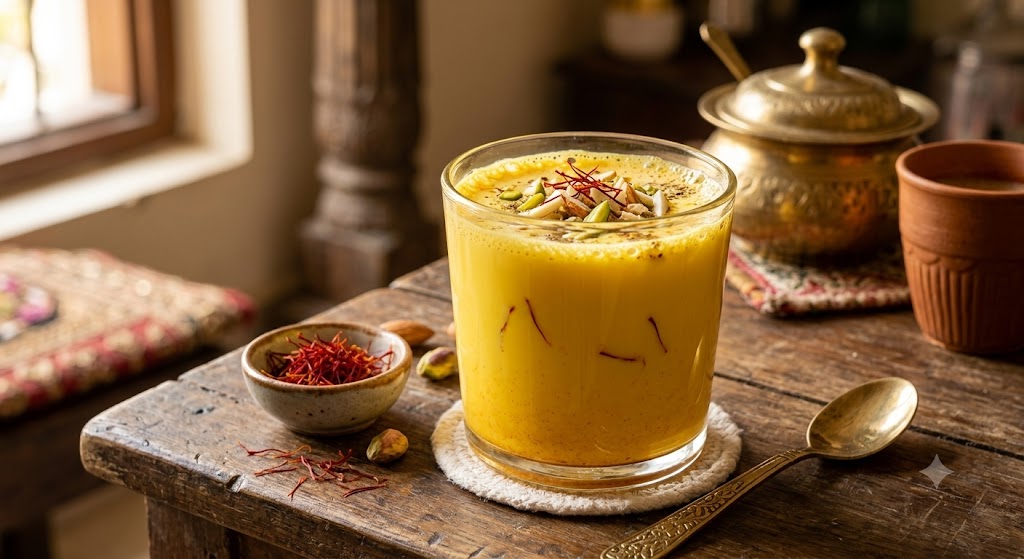
Kesar Doodh (Saffron Milk)
Warm milk flavoured with saffron, cardamom and a little sugar, often served on festive occasions.
View recipe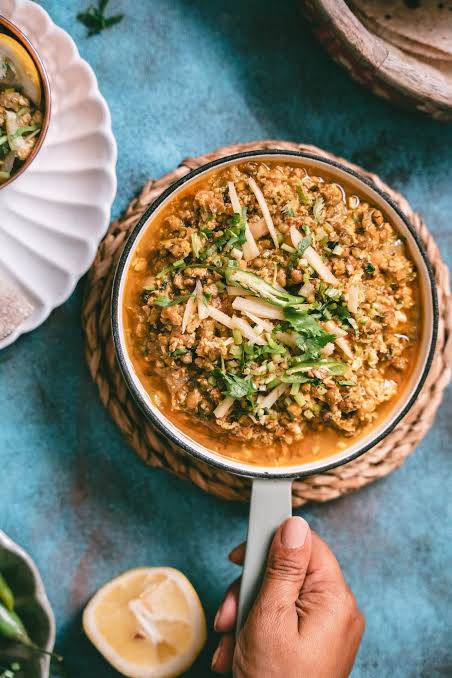
Main Course
Dal Tadka
Soft toor dal finished with a sizzling spiced oil, called tadka, poured over the top.
View recipe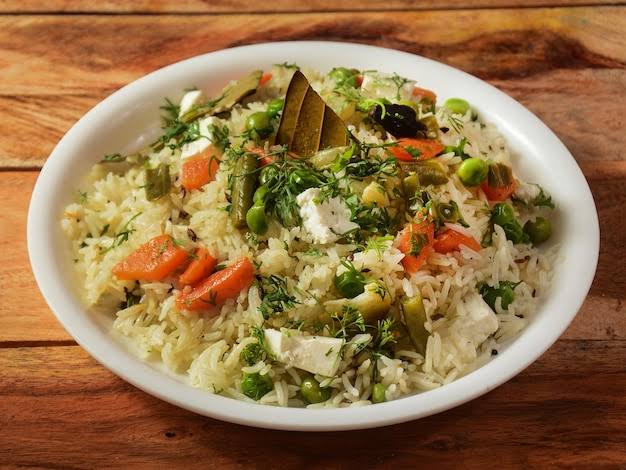
Main Course
Vegetable Pulao
A fragrant one-pot rice dish with vegetables and whole spices. Basmati rice gives long, separate grains.
View recipe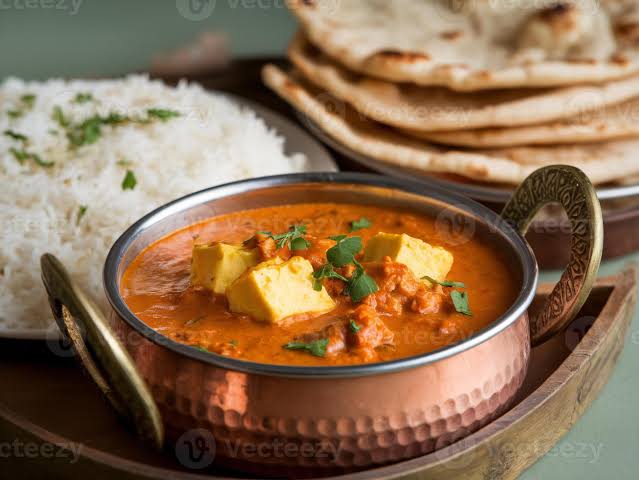
Main Course
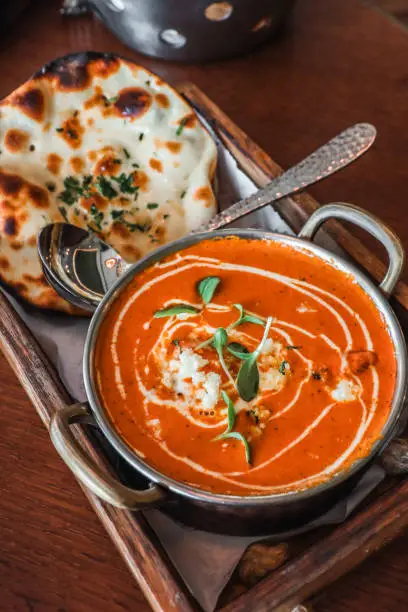
Paneer Butter Masala
Soft paneer cubes in a rich, mildly spiced tomato and butter gravy.
View recipe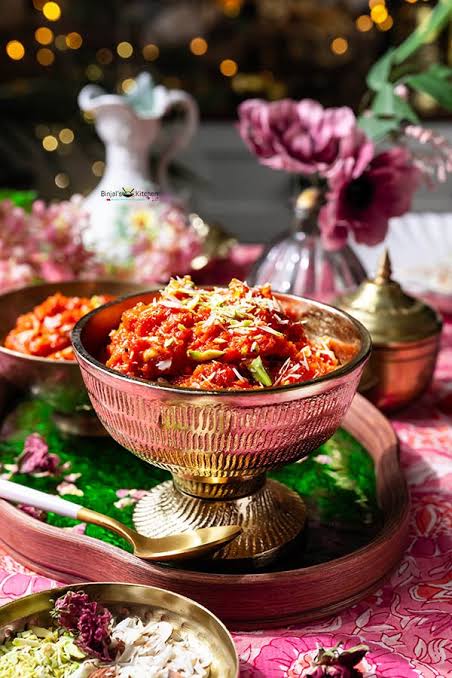
Desserts and Sweets
Gajar Ka Halwa
Grated carrots slowly cooked in milk and ghee, sweetened and flavoured with cardamom.
View recipeTraditional Drinks
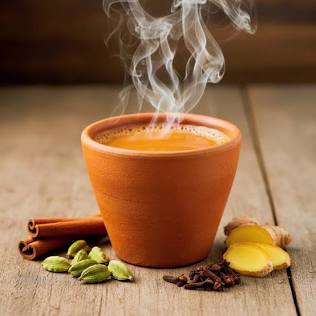
Masala Chai
Milk tea simmered with ginger, cardamom and cinnamon. Adjust the spices and sugar to your taste.
View recipeCooking Guides
Techniques for your kitchen
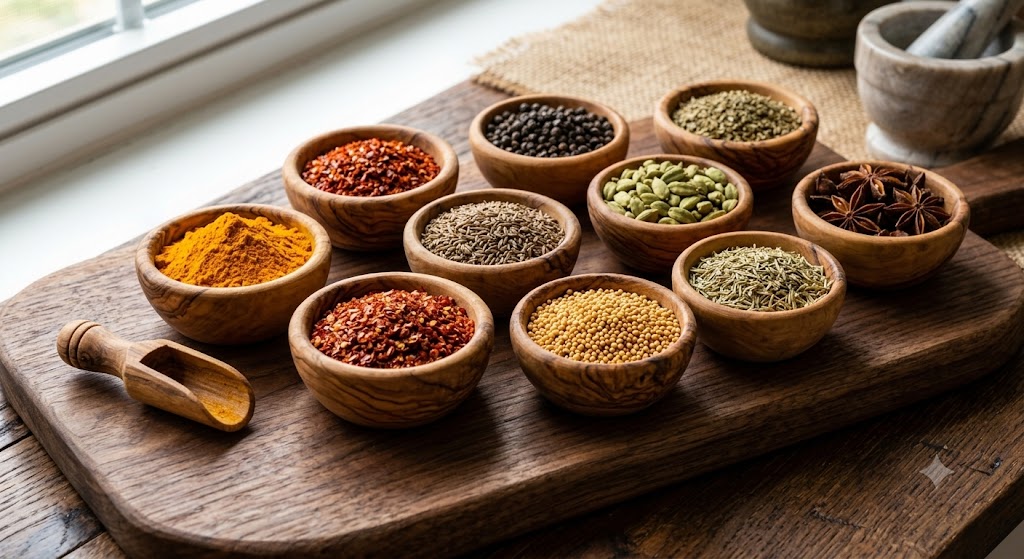
How to Store Indian Spices
Keep spices fresh by protecting them from heat, light and moisture.
- Whole spices keep their flavour longer than ground ones.
- Store spices in airtight jars away from the stove and sunlight.
- Write the purchase date on each jar.
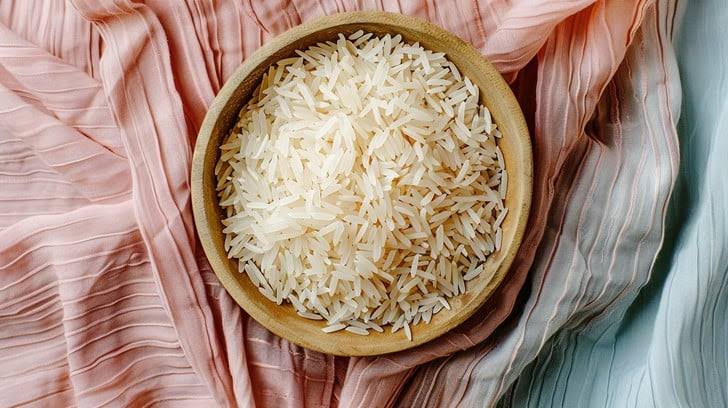
How to Cook Rice Properly
Rinse, soak and measure water carefully for fluffy, separate grains.
- Rinse the rice until the water runs mostly clear.
- Follow the water amount on the packet, or about 1 1/2 cups of water per cup of basmati.
- Rest the cooked rice, covered, for 5 minutes before fluffing it.
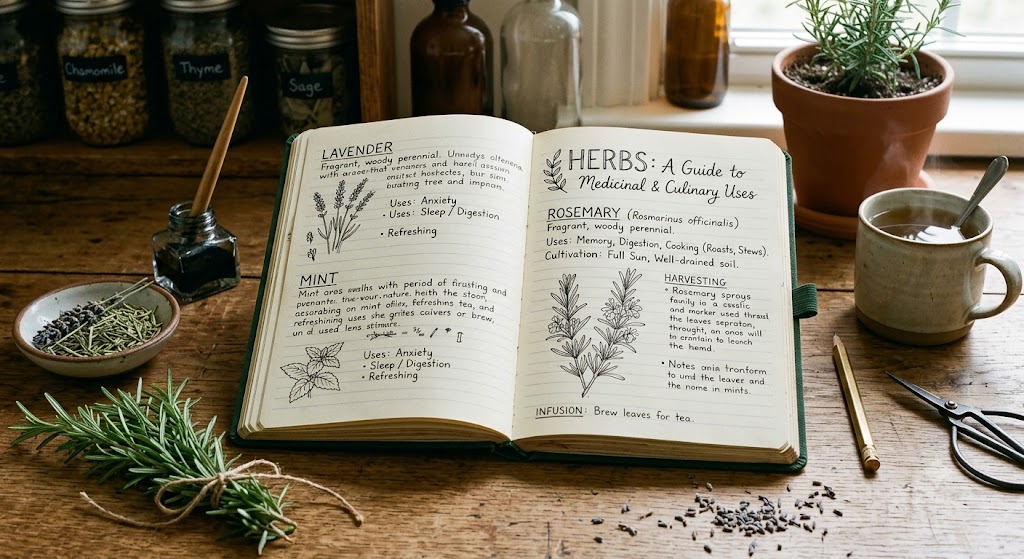
How to Balance Flavours
Good Indian cooking balances salt, sour, sweet, heat and richness.
- Add a squeeze of lemon or a little tamarind to brighten a dish.
- Add a pinch of sugar to soften sharp tomatoes.
- Finish with fresh herbs for a clean, fresh taste.
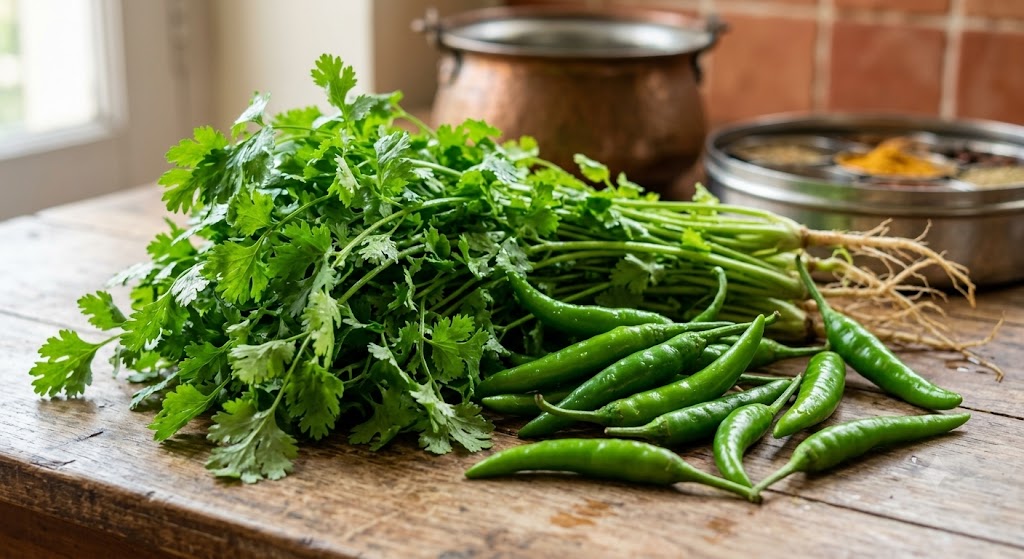
How to Store Fresh Herbs
Keep herbs fresh longer with a little moisture and the right storage.
- Wrap coriander and mint in damp paper towel and keep them in the fridge.
- Trim the stems and stand them in a glass of water, loosely covered.
- Use herbs within a few days for the best flavour.
Recipe Articles
Full recipes, step by step
Each recipe uses the same layout, so it is easy to follow. Ingredients are listed first, then the steps.
Traditional Drinks
Kesar Doodh (Saffron Milk)
Kesar doodh is a simple, fragrant glass of milk. The saffron threads are soaked in warm milk first so that their colour and aroma spread evenly.
Ingredients
- 2 cups (500 ml) full-fat milk
- 6 to 8 saffron threads
- 2 tablespoons sugar, or to taste
- 2 green cardamom pods, crushed
- 1 tablespoon chopped almonds or pistachios
Step-by-step instructions
- Warm 2 tablespoons of the milk, add the saffron and leave it to soak for 5 minutes.
- Bring the remaining milk to a boil over medium heat, stirring often so it does not stick.
- Lower the heat and simmer for 8 to 10 minutes.
- Add the sugar and crushed cardamom and stir until the sugar dissolves.
- Stir in the saffron milk and simmer for 1 more minute.
- Pour into glasses, garnish with nuts and serve warm.
Cooking tips
- Use saffron threads rather than powder for better colour and aroma.
- Keep the heat low once the milk boils so it does not catch at the bottom of the pan.
Common mistakes
- Adding dry saffron directly to hot milk, which can leave uneven colour.
- Boiling the milk too hard, which can form a skin and make it stick.
Serving suggestions
Serve warm in small glasses, on its own or topped with a few extra nuts.
Frequently asked questions
Can I use less sugar?
Yes. Add the sugar gradually and taste as you go.
Can I make it without saffron?
You will still have a warm spiced milk, but the colour and flavour will be different.
Main Course
Dal Tadka
Dal tadka is a home-style lentil dish finished with a sizzling spiced oil, called tadka or tempering. Toor dal is the most common choice.
Ingredients
- 1 cup toor dal (split pigeon peas), rinsed
- 3 cups water
- 1/2 teaspoon turmeric
- Salt, to taste
- 2 tablespoons ghee or oil
- 1 teaspoon cumin seeds
- 2 dried red chillies
- 2 garlic cloves, finely chopped
- 1 small onion, finely chopped
- 1 medium tomato, chopped
- 1/2 teaspoon red chilli powder
- Fresh coriander, chopped, to garnish
Step-by-step instructions
- Cook the dal with the water and turmeric in a covered pot or pressure cooker until soft, about 25 to 30 minutes. Mash lightly and add salt.
- Heat the ghee or oil in a small pan over medium heat.
- Add the cumin seeds and dried chillies. When the cumin sizzles, add the garlic and cook until golden.
- Add the onion and cook until soft. Add the tomato and cook until it breaks down.
- Stir in the red chilli powder, then pour this tadka over the cooked dal.
- Simmer for 5 minutes, garnish with coriander and serve.
Cooking tips
- Add hot water if the dal becomes too thick while cooking.
- Pour the tadka in while it is still sizzling for the best aroma.
Common mistakes
- Burning the garlic, which turns the tadka bitter.
- Serving dal that is not cooked through, which stays firm and grainy.
Serving suggestions
Serve hot with steamed rice, roti or paratha, with a squeeze of lemon.
Frequently asked questions
Can I use other lentils?
Yes, but cooking times and texture will change.
Why is it called tadka?
Tadka means tempering: spices are fried in hot fat and poured over the dish.
Main Course
Vegetable Pulao
A fragrant one-pot rice dish with vegetables and whole spices. Basmati rice is rinsed and soaked so the grains stay long and separate.
Ingredients
- 1 1/2 cups basmati rice, rinsed and soaked for 20 minutes
- 2 tablespoons ghee or oil
- 1 bay leaf
- 2 cloves
- 1 small cinnamon stick
- 3 green cardamom pods
- 1 onion, thinly sliced
- 1 cup mixed vegetables, such as peas, carrots and beans, chopped
- 1 teaspoon ginger-garlic paste
- 2 1/4 cups hot water
- Salt, to taste
- Fresh mint or coriander, to garnish
Step-by-step instructions
- Drain the soaked rice.
- Heat the ghee in a heavy pot over medium heat. Add the bay leaf, cloves, cinnamon and cardamom and fry for 30 seconds.
- Add the sliced onion and cook until golden.
- Add the ginger-garlic paste and vegetables and cook for 3 minutes.
- Add the drained rice and stir gently for 2 minutes.
- Pour in the hot water and salt, and bring to a boil.
- Cover, reduce the heat to low and cook for about 15 minutes, until the water is absorbed.
- Rest for 5 minutes, then fluff with a fork and garnish.
Cooking tips
- Rinse the rice until the water runs mostly clear to remove excess starch.
- Use hot water so the rice keeps cooking evenly.
Common mistakes
- Using too much water, which makes the rice mushy.
- Lifting the lid often, which lets the steam escape.
Serving suggestions
Serve with raita, pickle or a simple dal.
Frequently asked questions
Can I use brown rice?
Yes, but it needs more water and a longer cooking time.
Can I skip the whole spices?
You can, but the pulao will taste much plainer.
Main Course
Paneer Butter Masala
A rich, mildly spiced tomato and butter gravy with soft paneer cubes. Mild chilli powder keeps the colour bright without much heat.
Ingredients
- 200 g paneer, cut into cubes
- 2 tablespoons butter
- 1 onion, chopped
- 3 medium tomatoes, chopped
- 1 teaspoon ginger-garlic paste
- 1 teaspoon Kashmiri red chilli powder
- 1/2 teaspoon garam masala
- 1/2 teaspoon sugar
- 1/4 cup cream or cashew paste
- 1/2 cup water
- Salt, to taste
- Dried fenugreek leaves (optional)
Step-by-step instructions
- Melt 1 tablespoon of butter in a pan and lightly fry the paneer cubes until golden. Set aside.
- Add the remaining butter to the same pan and cook the onion until soft and golden.
- Add the ginger-garlic paste and cook for 1 minute.
- Add the tomatoes and cook until soft and pulpy, about 8 minutes.
- Cool slightly, blend into a smooth paste and return it to the pan.
- Add the chilli powder, garam masala, sugar, salt and water. Simmer for 5 minutes.
- Stir in the cream or cashew paste, add the paneer and simmer for 3 minutes.
- Crush the dried fenugreek leaves between your palms and sprinkle them on top.
Cooking tips
- Simmer the gravy gently after adding cream so it does not split.
- Use fresh paneer, which stays soft.
Common mistakes
- Frying the onion until dark, which makes the gravy bitter.
- Adding cream to a boiling gravy, which can curdle it.
Serving suggestions
Serve hot with naan, roti or steamed rice.
Frequently asked questions
Can I make it without cream?
Yes. Use cashew paste or a little extra butter instead.
Can I make it less spicy?
Yes, reduce the chilli powder.
Desserts and Sweets
Gajar Ka Halwa
A winter dessert made from grated carrots slowly cooked in milk, sugar and ghee, flavoured with cardamom.
Ingredients
- 500 g carrots, peeled and grated
- 2 cups full-fat milk
- 1/3 cup sugar
- 2 tablespoons ghee
- 1/4 teaspoon ground cardamom
- 2 tablespoons chopped almonds and pistachios
- 1 tablespoon raisins (optional)
Step-by-step instructions
- Put the grated carrots and milk in a heavy pan. Cook over medium heat, stirring often, until most of the milk has evaporated, about 25 minutes.
- Add the sugar and cook for about 5 minutes more, until the mixture thickens.
- Add the ghee and fry the halwa for 5 to 8 minutes, stirring, until it looks glossy.
- Stir in the cardamom, nuts and raisins.
- Serve warm, or chilled.
Cooking tips
- Choose sweet, deep orange carrots for the best flavour.
- Stir often near the end so the halwa does not stick to the pan.
Common mistakes
- Using too little ghee, which makes the halwa dry and dull.
- Leaving it unattended near the end, when it sticks and can burn.
Serving suggestions
Serve warm with a scoop of vanilla ice cream or a sprinkle of extra nuts.
Frequently asked questions
Can I use less sugar?
Yes. Carrots are naturally sweet, so add the sugar gradually.
Can I make it ahead?
Yes. It keeps in the fridge for a short time and tastes good warm or cold.
Traditional Drinks
Masala Chai
Spiced milk tea made by simmering tea with ginger and cardamom. Adjust the spices and sugar to your taste.
Ingredients
- 1 cup water
- 1 cup full-fat milk
- 1 teaspoon loose black tea, or 1 tea bag
- 1 teaspoon sugar, or to taste
- 2 green cardamom pods, crushed
- 1 small piece fresh ginger, crushed
- 1 small cinnamon stick, or a pinch of ground cinnamon
Step-by-step instructions
- Put the water, ginger, cardamom and cinnamon in a small pan. Bring to a boil and simmer for 2 minutes.
- Add the tea and simmer for 1 minute.
- Add the milk and sugar. Bring to a gentle boil, then lower the heat.
- Simmer for 1 to 2 minutes, watching so it does not boil over.
- Strain into cups and serve hot.
Cooking tips
- Crush the spices before adding them so more flavour comes out.
- Change the amount of tea or water to make the chai stronger or lighter.
Common mistakes
- Boiling the tea leaves for too long, which makes the chai bitter.
- Leaving it unattended, since milk boils over quickly.
Serving suggestions
Serve hot with biscuits or a light snack.
Frequently asked questions
Can I make it without milk?
Yes, use water or a plant milk, but the taste will be lighter.
Can I skip the ginger?
Yes, but the chai will taste milder.
Related Articles