Get in Touch

Food Stories

Beyond the Plate: Discover the Story of Food

Every ingredient has a journey. Explore where food comes from, how it is produced, and the stories behind the ingredients we use in our kitchens.

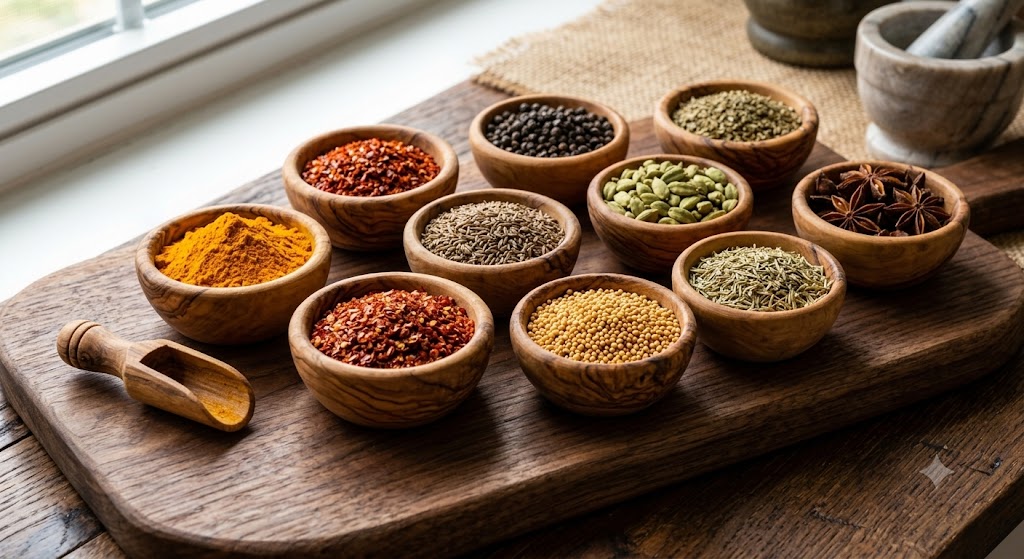
Assorted spices in bowls on a wooden board

Featured Article

Kashmiri Saffron: The Golden Spice of Kashmir

Saffron threads come from the stigmas of the crocus flower. In Kashmir, saffron is grown and harvested by hand, a process that takes great care. This article looks at how the spice is grown, why it is valued in the kitchen, and what to look for when buying it.

Facts about yields, prices and history should be checked against reliable sources, such as the Spices Board of India, before publication.

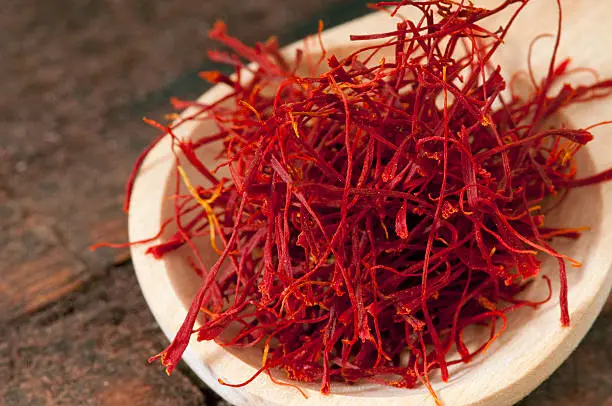
Red saffron threads on a white plate

Ingredient Stories

Where our ingredients come from

Red saffron threads on a white plate

Kashmiri Saffron

Hand-harvested threads from the Kashmir valley, prized for colour and aroma.

Read More

Saffron comes from the stigmas of the crocus flower, which must be picked and dried with care. Buy it as threads and check the colour and aroma before you use it.
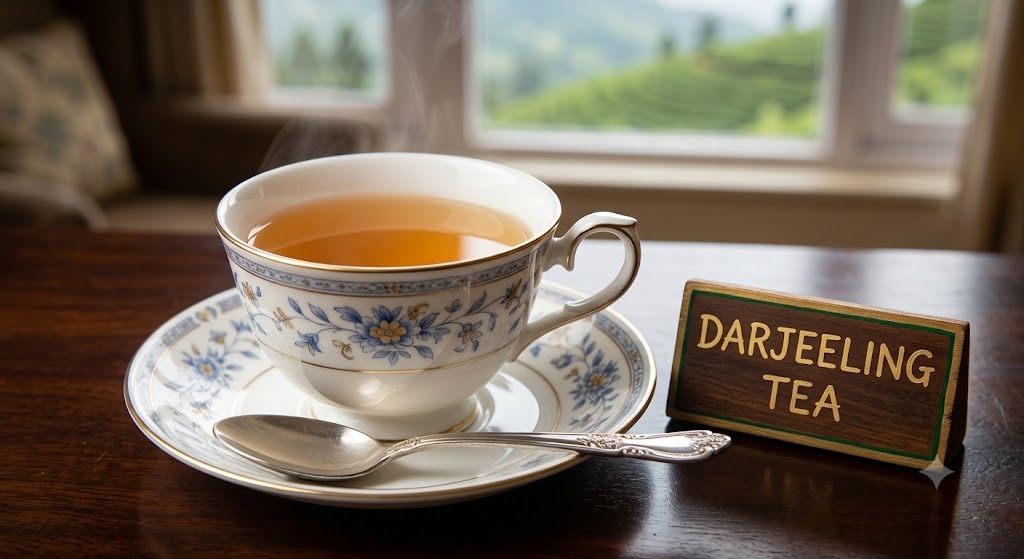
Cup of tea beside tea leaves

Darjeeling Tea

Light, floral tea grown on the hills of Darjeeling.

Read More

Tea is grown on the slopes of the Darjeeling hills, where altitude and climate shape its flavour. The leaves are picked, withered, rolled and dried before they reach the cup.

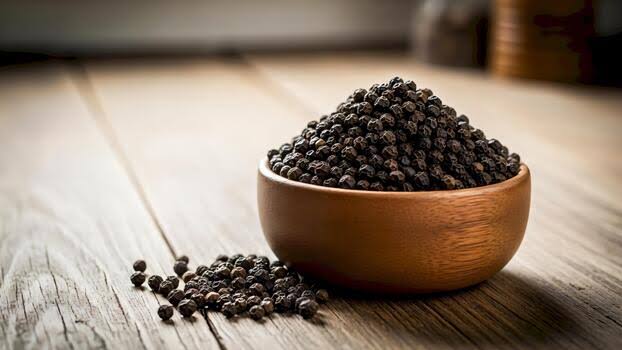
Black peppercorns in a bowl

Malabar Black Pepper

Sharp, woody pepper from the Malabar Coast of Kerala.

Read More

Black pepper is the dried berry of a climbing vine. Pepper from the Malabar Coast has long been used in Indian kitchens and is valued for its bold flavour.

Whole cardamom and cloves in bowls

Cardamom

Green cardamom adds fragrance to chai, sweets and biryani.

Read More

Green cardamom pods are the dried fruits of a plant grown in the hills of South India. Crush them lightly to release their aroma.

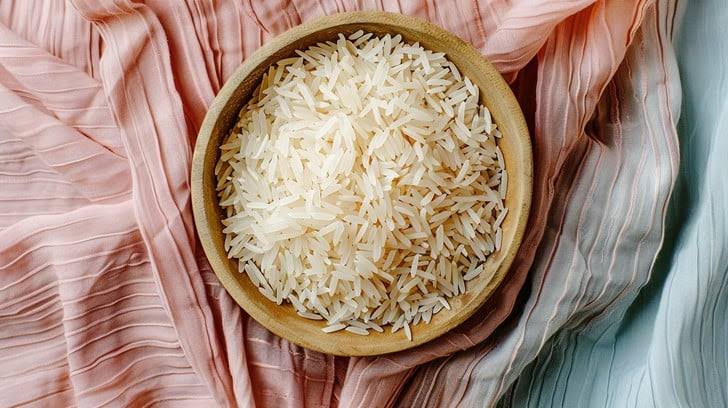
Basmati rice in a bowl

Basmati Rice

Long-grain, aromatic rice used in biryani and pulao.

Read More

Basmati is known for its fragrance and for the length of its grains after cooking. Rinsing and soaking help the grains stay separate.

Food History

Articles on food history

Read the full articles in the grid below.

From Farm to Kitchen

The journey of an ingredient

  1. Cultivation

    Crops are grown in suitable climates and soils.

  2. Harvesting

    Crops are picked at the right stage, often by hand for delicate produce such as saffron.

  3. Processing

    Ingredients are cleaned, dried, milled or otherwise prepared.

  4. Quality Assessment

    Samples are checked for colour, aroma, moisture and purity.

  5. Packaging

    Products are sealed to protect freshness and labelled clearly.

  6. Distribution

    Products travel from producers to wholesalers, shops and homes.

Article Grid

All stories

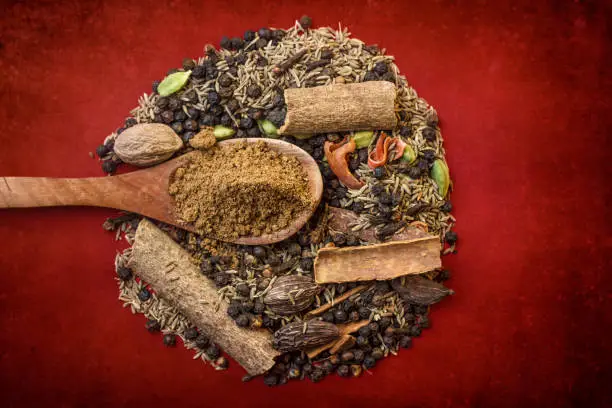
Spices in bowls on a wooden board

Food History

The History of Indian Spice Trading

How spices travelled along trade routes and shaped the cooking of many regions.

Read More

Indian spices have long moved along land and sea trade routes, reaching markets far beyond the subcontinent. Trade shaped which spices were available in different regions and how they were combined in local cooking. Check dates and trade records against reliable historical sources before publishing.

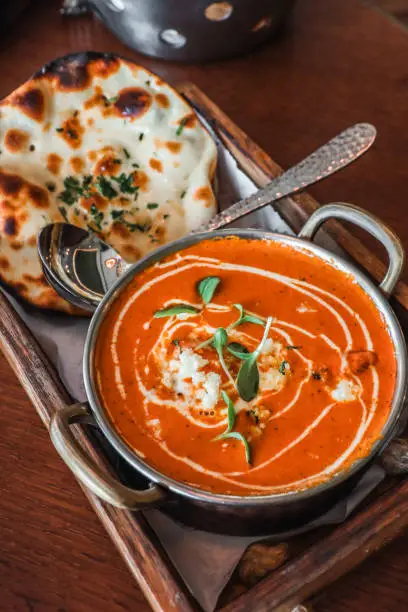
Flatbreads beside a bowl of butter chicken

Food History

The Origins of Regional Indian Dishes

Why regional dishes look and taste different, from climate and farming to trade and migration.

Read More

Regional dishes reflect local crops, climate, water and cooking tools, as well as the movement of people and ideas over time. A single dish often has several versions across states and communities. Verify specific origin stories against reliable sources.

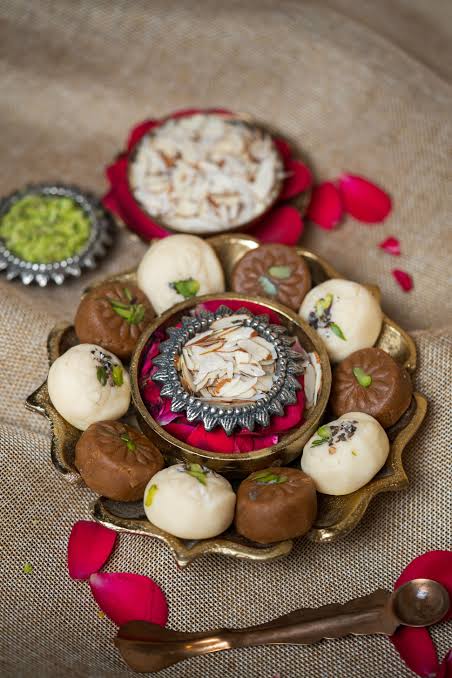
Indian festival sweets on a plate

Food Culture

Traditional Indian Festival Foods

Sweets and special dishes prepared for festivals, each with its own customs.

Read More

Many Indian festivals are marked with special sweets, snacks and meals that families prepare together. Recipes and customs vary widely between communities and regions. Check any specific festival claims with reliable sources.

Red saffron threads on a white plate

Food Marketing

How Kashmiri Saffron Is Marketed Online

Clear product information, honest origin details and good photography help buyers understand what they are buying.

Read More

Online sellers can help customers by stating the origin, grade, and how the product should be stored and used. Accurate descriptions and clear photographs build more trust than exaggerated claims. Back up any origin or certification claim with a verifiable source.

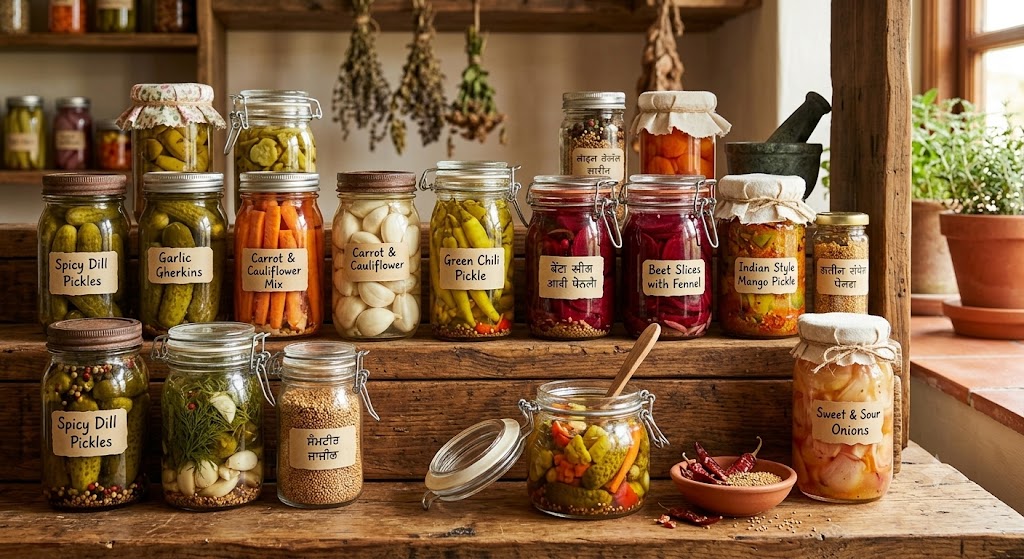
Earthen pots of pickles in a sunlit courtyard

Food Marketing

How Food Brands Build Customer Trust

Transparency about sourcing, consistent quality and helpful content all contribute to trust.

Read More

Customers tend to trust brands that explain where their ingredients come from and how products are handled. Consistent quality and responsive customer service matter as well. Avoid claims you cannot support with evidence.

Black peppercorns in a bowl

Food Marketing

Why Food Packaging Matters

Packaging protects freshness, gives key information and shapes first impressions.

Read More

Good packaging protects food from light, moisture and air, and gives clear labelling for ingredients, weight and storage. It is often the first thing a customer sees. Packaging rules vary, so check the requirements where you sell.

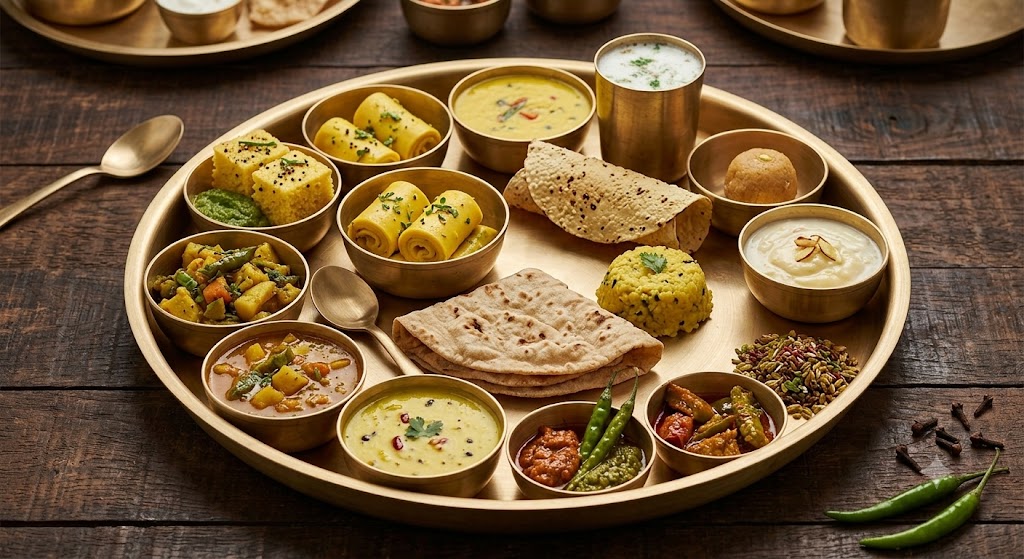
Gujarati thali with small bowls

Food Marketing

How Regional Identity Influences Food Branding

Regional names, stories and imagery can connect a product to a place.

Read More

Many food products use regional names and traditions to suggest authenticity. Using them responsibly means describing the actual origin of the product and avoiding claims it cannot back up.

Scroll to Top