Food Packaging and Branding Decisions
This article on food packaging and branding explains how packaging shapes customer decisions and brand trust.
Food packaging does more than hold a product. It shapes how customers see a brand and often influences their buying decisions. This guide explains how packaging affects branding and customer choice, how it protects food, and what small food businesses can learn from it.
What Packaging Communicates
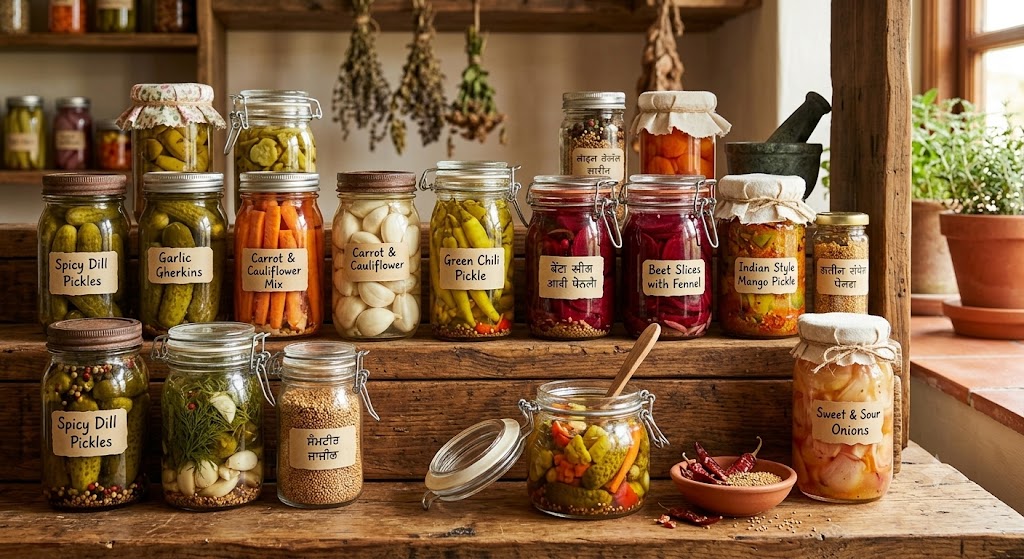
Packaging tells customers what a product is, how it is made and whether the brand is trustworthy. Colours, labels, materials and layout all send signals before a customer tastes anything. A well-designed pack can make a product feel more premium, while a careless one can make the same product seem less trustworthy.
How Packaging Influences Buyers
- Clear labels build confidence
- Attractive design can make a product stand out on the shelf
- Good materials can show care for quality
- Simple information helps customers decide quickly
- Consistent design makes repeat purchases easier
Packaging and Brand Identity
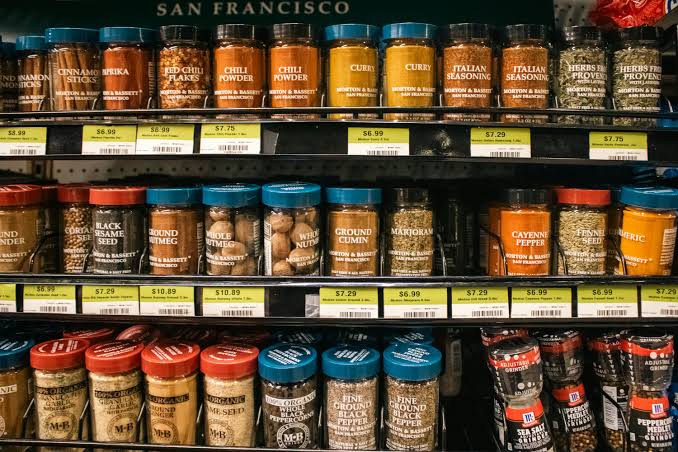
Consistent colours, fonts and logos across packaging help customers recognise a brand. For food, the packaging should also match the product, so customers do not feel misled. A premium product in cheap packaging can disappoint, and a simple product in elegant packaging can seem overpriced.
Protecting the Food
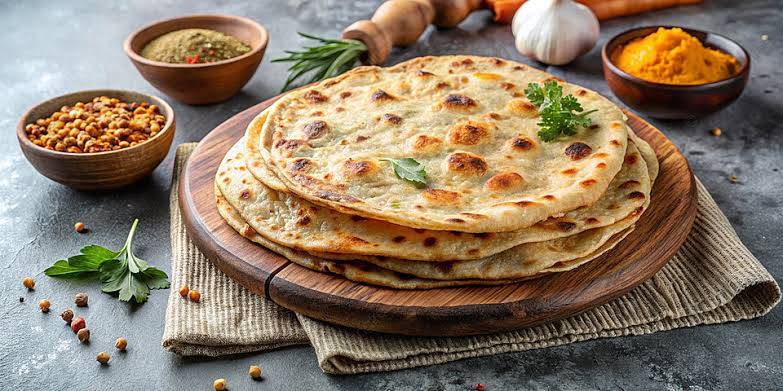
Packaging must protect food from air, moisture and light. Spices, for example, stay fresher in airtight, opaque containers. Protective packaging supports the quality that customers expect, and it reduces waste for both sellers and buyers.
Information Customers Look For
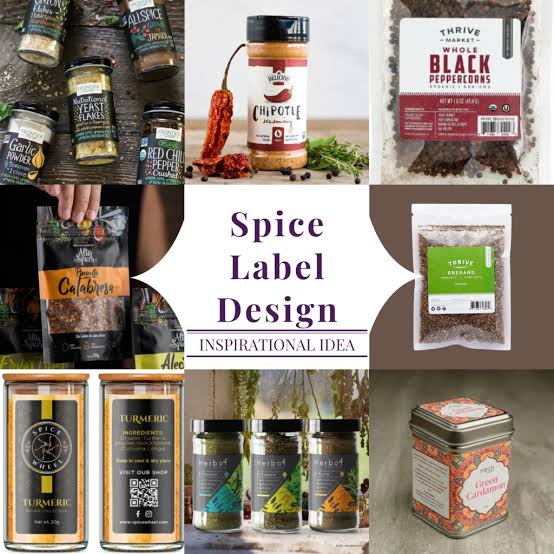
- The product name and what is inside
- Net weight or volume
- Ingredients and any allergen information
- Storage instructions and best-before or use-by details
- Contact details for the seller
Sustainable Packaging
Many customers now consider the environmental impact of packaging. Choosing recyclable materials, avoiding unnecessary layers and explaining how to recycle the pack can all help. Small brands can start with simple changes, such as reducing extra inserts or using paper labels that are easy to remove.
Common Packaging Mistakes
- Making the design so busy that the product name is hard to read
- Using materials that do not protect the contents
- Hiding important information such as ingredients or storage advice
- Changing the design so often that customers do not recognise the brand
Frequently Asked Questions
Does packaging really affect buying decisions?
Packaging can influence first impressions and trust, especially on crowded shelves. It works best when it matches the quality of the product.
What should small food brands focus on first?
Start with clear labels, protective materials and consistent branding. Then refine the design as the business grows.
How often should packaging be updated?
Update packaging when there is a clear reason, such as new regulations, better materials or a change in the product. Frequent changes can confuse regular customers.
Final Thoughts
Good packaging protects food, communicates clearly and supports brand trust. For a related example in spice retailing, read our article on how Kashmiri saffron is marketed.