How to Store Indian Spices at Home
This guide on how to store Indian spices covers how heat, light and moisture affect aroma, and simple storage habits.
Good storage keeps Indian spices aromatic for longer. The main enemies of spices are heat, light and moisture, so storing them correctly protects both their colour and flavour. This guide explains how to store Indian spices at home, which containers work best, and how to tell when a spice has lost its strength.
Why Spices Lose Flavour
Spices contain volatile oils, which give them their aroma and much of their flavour. Heat, light, air and moisture break these oils down over time. When oils evaporate or oxidise, a spice tastes flat even if it still looks fine. Understanding these causes makes it easier to protect your spice collection.
Whole Versus Ground Spices
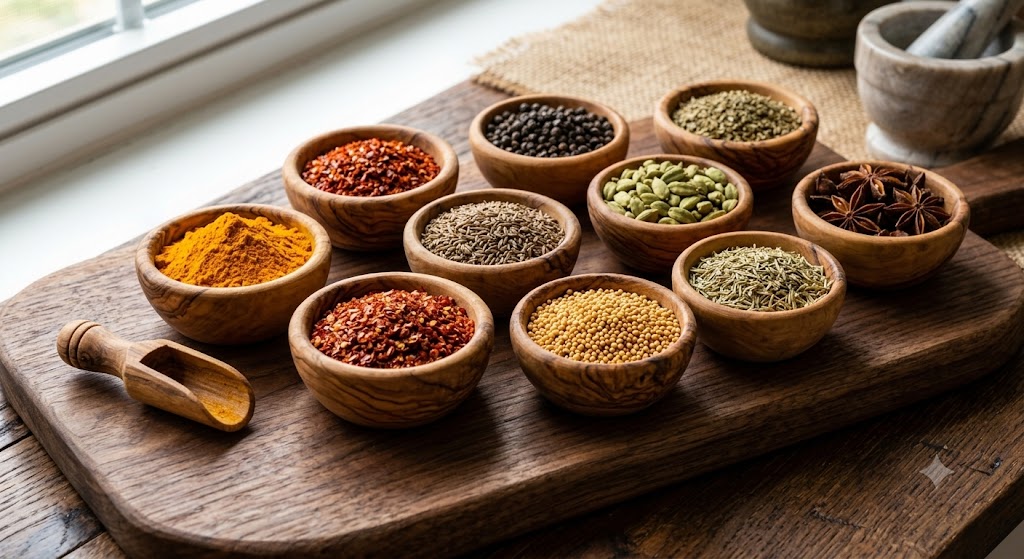
Whole spices keep their flavour longer than ground ones, because their essential oils are protected inside the seed or pod. Grind small amounts when you need them. Cumin, coriander, black pepper and cardamom all last noticeably longer as whole seeds, and freshly ground spices often taste far stronger.
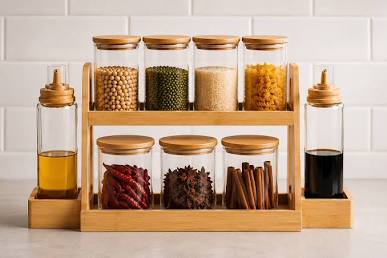
Choosing the Right Containers
Use airtight glass or stainless steel containers. Glass is easy to clean and does not absorb odours, while steel is practical for everyday use. Choose a container that is about the right size for the amount you use, because too much air inside a large jar speeds up deterioration.
Label each jar with its purchase date so you use older stock first. Avoid plastic bags for long-term storage, because they let in air and odours.
Heat, Light and Moisture
Store spices away from the stove, sunlight and steam. A cool, dark cupboard is ideal. Never shake a damp spice jar, and always use a dry spoon, because moisture causes clumping and spoilage. Keep the lids tightly closed after each use.
Red Chillies and Powdered Spices
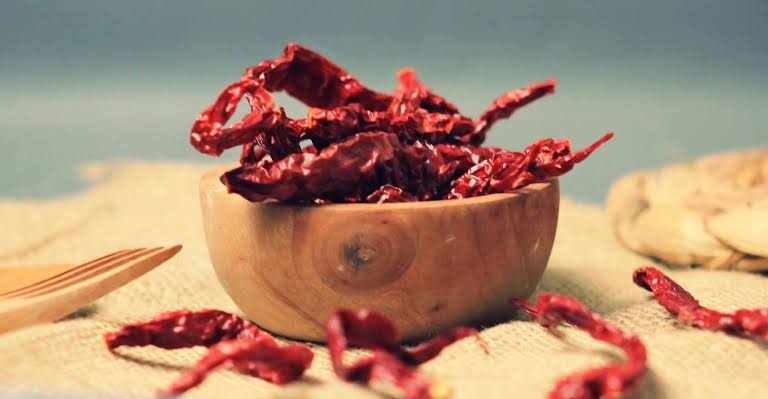
Red chilli powder and turmeric lose colour quickly when exposed to light. Buy them in smaller quantities and replace them every few months. Whole dried chillies generally keep their aroma longer than powder, so grind them when you need them.
Should You Keep Spices in the Fridge?
A fridge is usually unnecessary. Opening a cold jar can introduce moisture as the air warms, so a dry, cool cupboard is usually better. Freezing is sometimes suggested for whole spices, but frequent temperature changes can cause condensation, so only freeze what you will not open often.
How to Tell When Spices Have Lost Their Aroma
If a spice has little smell when you open the jar or rub it between your fingers, it has likely lost much of its flavour. Replace it rather than adding more, because stale spices give dull results even in large amounts. Colour fading is another sign, especially for chilli and turmeric.
Common Storage Mistakes
- Keeping spices above the stove or near the cooker
- Storing ground spices in clear jars in direct sunlight
- Buying large packs you cannot use within a year
- Using a wet spoon to take spices from the jar
- Leaving jars open while cooking
Building a Practical Spice Shelf
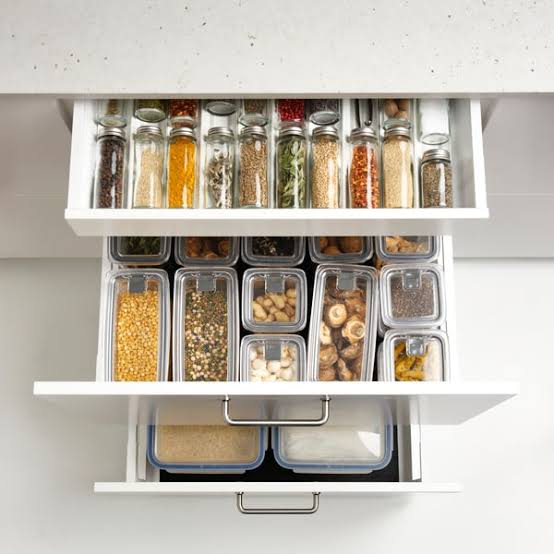
Keep the spices you use most within easy reach, and store the rest in a separate, cool place. Buy whole spices where you can, and grind small batches for recipes. Replace powdered spices more often than whole ones. Our Indian spices guide explains which spices are most common in everyday cooking.
Frequently Asked Questions
How long do Indian spices last?
Whole spices generally keep their best flavour for longer than ground spices. The exact time depends on the spice and how it is stored, so check aroma and colour rather than relying only on a date.
Should I keep spices in the fridge?
A fridge is usually unnecessary. A dry, cool cupboard is usually better for everyday use.
Can I revive stale spices?
You can toast whole spices gently to bring back some aroma, but this will not restore a spice that has lost most of its oils. Replacing it is usually the better option.
Final Thoughts
Store Indian spices in airtight containers, keep them cool, dry and dark, and grind them only when needed. You can also read our cardamom guide on storage and uses. For general background on the category, see Wikipedia’s article on spices.
Pingback: Indian Spices Guide: Types, Uses and Regional Origins – Flavor Heaven