Indian Spice Trade in Global History
This article on the Indian spice trade looks at how spices became important in global trade over the centuries.
Indian spices have been part of global trade for centuries. Pepper, cardamom, cloves and cinnamon travelled along networks that linked South Asia with the Middle East, Europe and beyond. This article explains how Indian spices became important in global trade, how India shaped those networks and how the trade influenced food cultures around the world.
Spices in Early Trade Networks
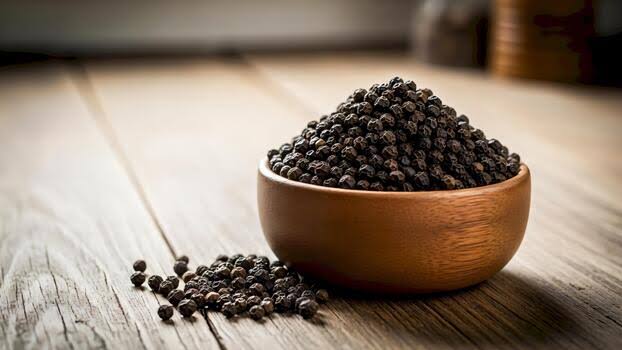
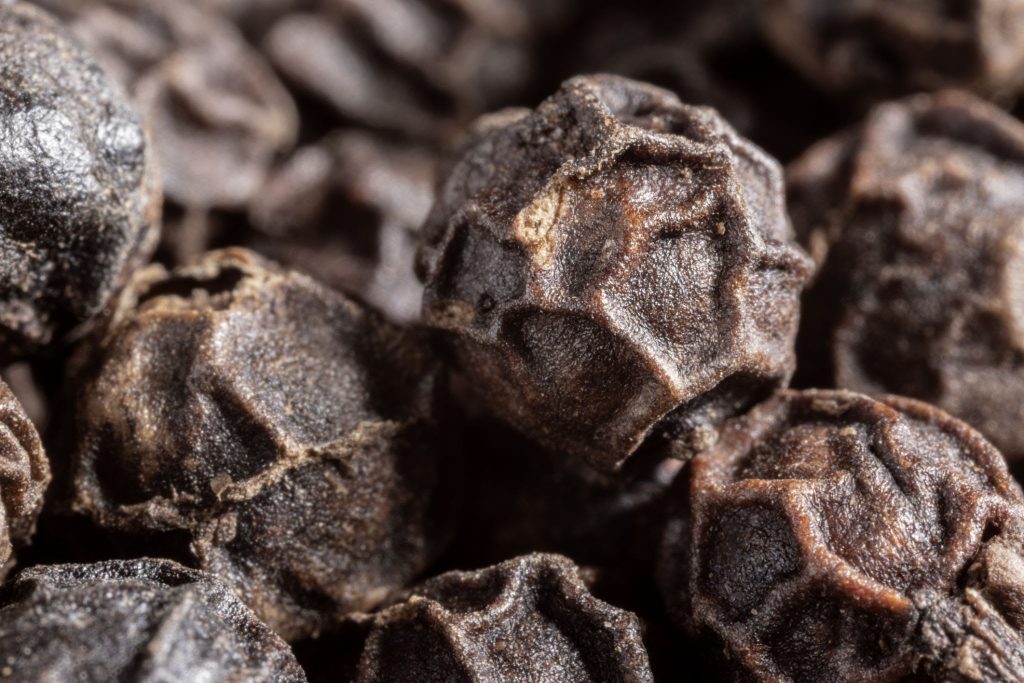
Black pepper from the Malabar coast of south-west India is one of the best-known trade spices. It travelled by sea and land for many centuries and became a valuable commodity. Cardamom, cloves and cinnamon also moved along these routes, and each carried its own reputation and price.
Spices were valuable because they were light, durable and hard to produce in many regions. A small quantity could be carried far and sold for a high price, which made them an attractive trade good.
India’s Role in Spice Networks
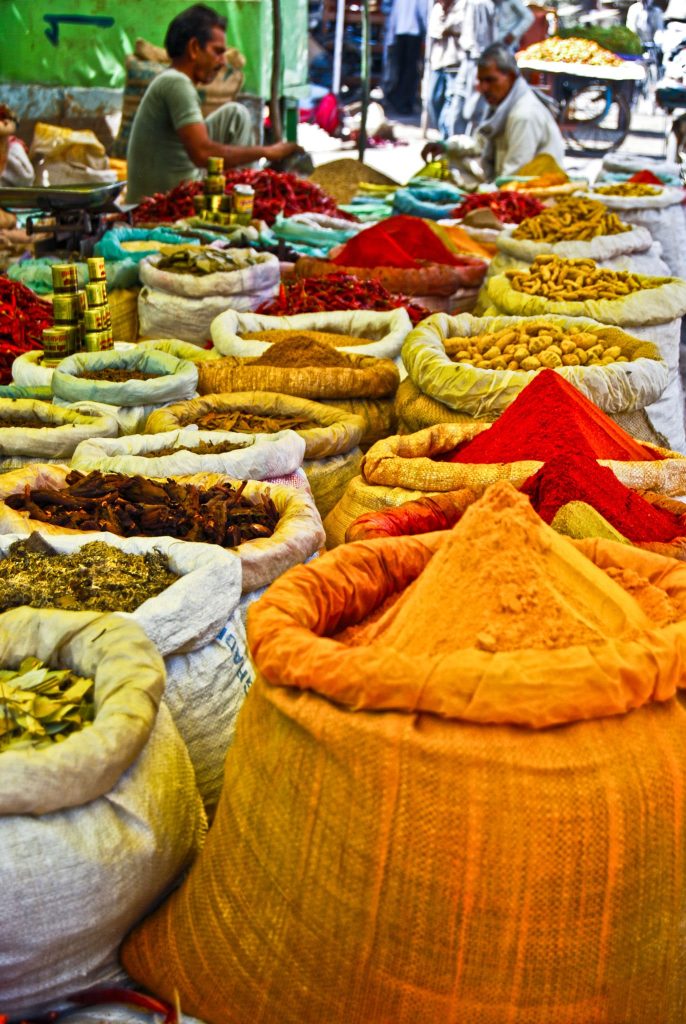
Indian ports and markets were important meeting points, connecting local producers with buyers from other regions. Merchants exchanged goods, ideas and cooking techniques, which helped spread spices across continents. Coastal cities became centres where traders from different countries met, which made the spice trade a cultural exchange as well as an economic one.
You can explore the wider story on Wikipedia’s spice trade article.
How Spice Trade Influenced Food Cultures
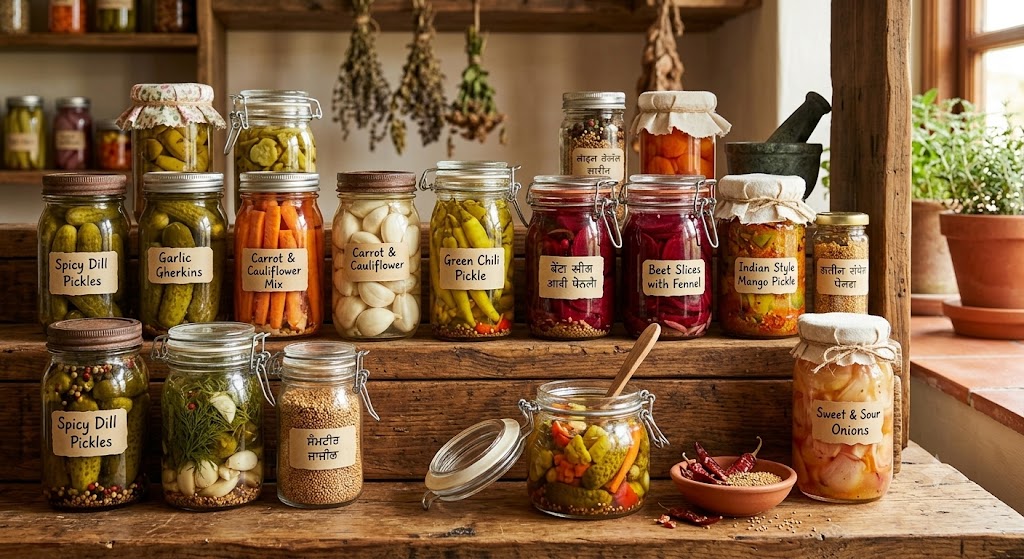
As spices moved between regions, they changed local cooking. Many dishes in today’s Indian kitchens reflect ingredients and techniques that arrived through trade. Regional cuisines developed their own blends, and this variety is part of why Indian food is so diverse.
The effect also ran in the other direction. Indian cooks adapted ingredients from abroad, and traders carried Indian flavours to new markets. Over time, spices became a shared part of food culture across many countries.
Why Spices Were So Valuable
- They added flavour to simple everyday food
- They helped season and preserve ingredients
- They were used in medicine and religious practice
- They were difficult to produce outside their native regions
- They could be transported in small, durable quantities
Spices Today
Today, spices move through modern supply chains, where buyers look for quality, origin and freshness. Labels, certifications and testing play a bigger role than they did in the past. For one important export spice, read our article on Kashmiri saffron. The Spices Board of India also provides information on the country’s spice sector at indianspices.com.
What the History Teaches Us
The spice trade shows how food, geography and commerce are connected. Ingredients from one region reached kitchens far away, and each new market added its own cooking habits. Understanding this history can make your spice cooking more interesting, because you know where the flavours came from.
Frequently Asked Questions
Which Indian spices were most traded historically?
Black pepper, cardamom, cloves and cinnamon are among the spices most often associated with historic trade routes.
Why are Indian spices still important today?
They remain important because of their flavour, variety and role in both domestic and export markets.
Where can I learn more about spice history?
Start with the Wikipedia article on the spice trade, then read our Indian spices guide for the individual spices.
Final Thoughts
The global trade in Indian spices shaped economies and kitchens for centuries. Understanding this history helps you appreciate the spices you cook with every day. Taste the results at Flavor Heaven.