Biryani is one of the most celebrated rice dishes in India. Spiced rice and meat, fish or vegetables are layered and cooked together, and almost every region has its own version. This guide explains the history of biryani, the regional varieties that make the dish so diverse, the key ingredients and how to appreciate the dish at home.
What Is Biryani?
Biryani is a layered rice dish cooked with aromatic spices, herbs and a protein or vegetables. The rice is usually partly cooked before layering, then finished slowly so that the grains absorb the flavours of the spices and the juices of the filling. Its origins are discussed in detail on Wikipedia’s biryani article, which notes that several accounts surround its development.
The History of Biryani
Biryani is often linked to the kitchens of the Mughal period, when rich rice dishes were prepared for courts and celebrations. Food historians note, however, that the dish did not come from one single place. Traders, cooks and local communities adapted it using ingredients available in their own regions, and this is why biryani developed so many distinct styles.
Over time, biryani became a dish for weddings, festivals and family gatherings. Each community added its own spices, herbs and methods, which is part of its enduring appeal.
Regional Varieties of Biryani
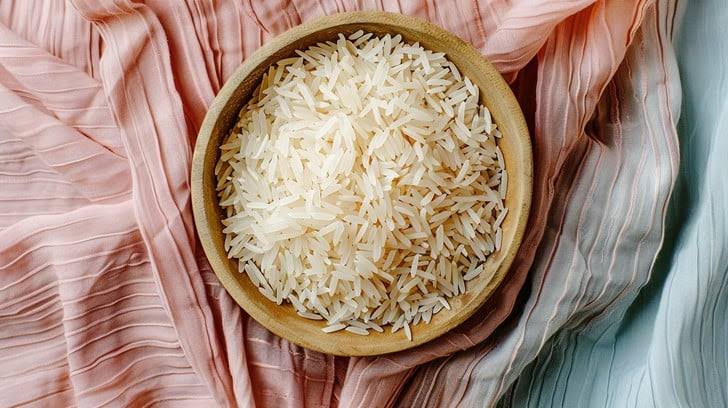
Hyderabadi Biryani
Hyderabadi biryani is known for layers of rice and meat cooked together, often with saffron, mint and fried onions. The flavour is rich and aromatic, and the dish is one of the best-known styles in India.
Lucknowi (Awadhi) Biryani
Lucknowi biryani is often cooked slowly and gently, with mild, fragrant spicing that reflects Awadhi cooking traditions. The rice and meat are cooked separately before being layered, and the dish is valued for its delicacy.
Kolkata Biryani
Kolkata biryani is typically lighter in spice and often includes potato, giving it a distinct character. It has a gentle sweetness and is loved for its balanced, comforting flavour.
Malabar Biryani
Malabar biryani from Kerala’s coast often uses a short-grain rice called kaima and reflects the region’s coastal flavours. It is typically lighter in colour and combines spices with the freshness of local ingredients.
Sindhi Biryani
Sindhi biryani is known for its tangy character, often created with yogurt or dried plums. The result is a bright, slightly sour biryani that stands apart from many other styles.
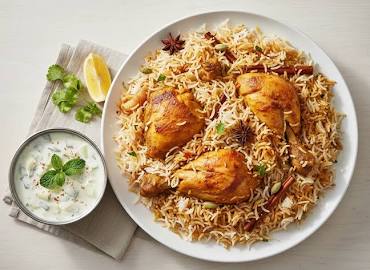
Key Ingredients of Biryani
- Long-grain basmati or regional rice
- Saffron or saffron-infused milk for colour and aroma
- Whole spices such as cardamom, cloves and cinnamon
- Yogurt, fried onions, mint and coriander
- Ghee or oil for finishing the layers
How Biryani Differs From Pulao
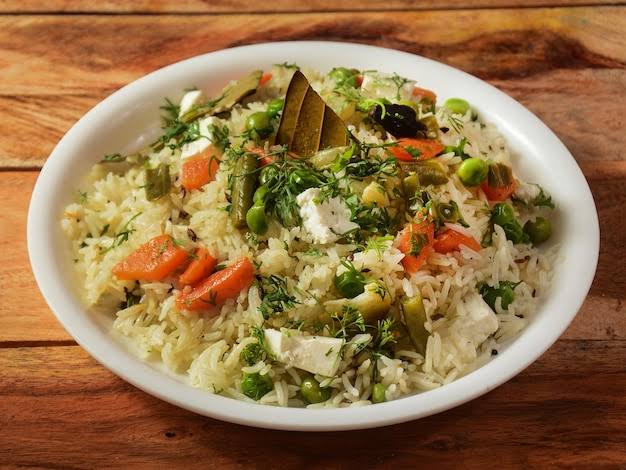
Pulao is a related rice dish, and the difference usually lies in how the rice and spices are cooked together. In a pulao, the rice is cooked with its seasoning in one pot. Biryani usually has separate layers of spiced rice and cooked meat or vegetables, which are then steamed together so the flavours meet.
Tips for Cooking Biryani at Home
- Rinse and soak the rice before cooking so the grains stay separate
- Cook the rice until it is just done, because it will finish cooking in the layers
- Marinate the meat or vegetables well before cooking
- Seal the pot so the steam stays inside during the final cooking
- Rest the biryani for a few minutes before serving
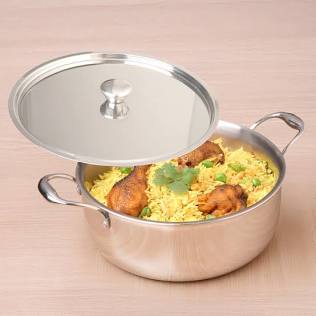
Serving Biryani
Biryani is traditionally served with raita, a cooling yogurt side dish, and a simple salad of onion and cucumber. Pickles and boiled eggs are also common accompaniments in many households. Serve it hot, and mix the layers gently so every plate gets the aroma of the spices and the rice.
Frequently Asked Questions
What is the difference between biryani and pulao?
Biryani usually has separate layers of spiced rice and cooked meat or vegetables, while pulao cooks the rice with its seasoning in one pot.
Which biryani is the most famous?
Hyderabadi and Lucknowi biryani are among the best-known styles, but many people have a favourite based on where they grew up.
Is biryani always spicy?
Biryani can be mild or hot. Each regional style has its own balance of spices, and home cooks can adjust the heat to suit their taste.
Final Thoughts
Biryani is more than one dish. Its regional versions show how local spices, rice and cooking methods shape a single idea. For the spices behind these flavours, read our Indian spices guide, and learn about saffron, a key ingredient in many biryanis. Taste regional flavours at Flavor Heaven.