Kashmiri Saffron Marketing: Branding and Sales
This guide to Kashmiri saffron marketing covers branding, packaging and online sales, and how they affect buyer trust.
Kashmiri saffron is a premium product, and how it is marketed affects whether buyers trust it. Clear branding, honest labelling and careful packaging all matter. This article looks at how Kashmiri saffron is marketed, from brand identity to online sales, and what buyers should look for.
Why Origin Matters in Saffron Marketing
Buyers often look for proof of where a spice comes from. Kashmiri saffron holds a Geographical Indication (GI) tag, which helps sellers explain the product’s origin. Transparent labelling about grade and origin builds trust, because customers can check what they are paying for.
Branding Kashmiri Saffron
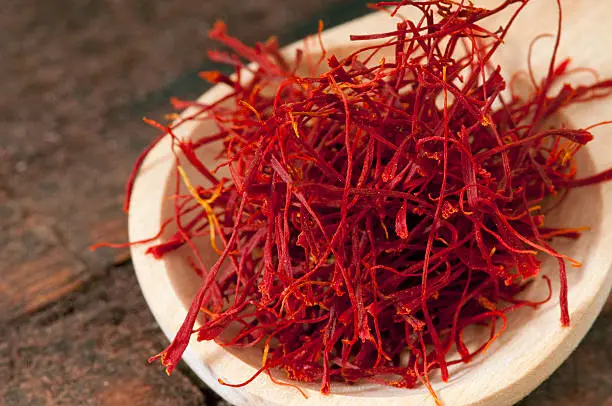
A strong brand tells a clear story about quality, care in harvesting and the Kashmir valley. Simple, consistent colours and clean typography help a product look premium without making unsupported claims. Honest storytelling works better than exaggerated promises.
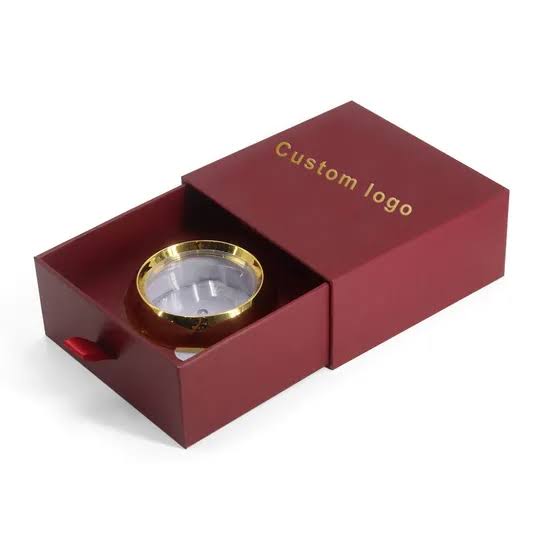
Packaging for Saffron
Saffron is sensitive to light, heat and moisture, so packaging should protect it. Airtight, opaque containers help preserve colour and aroma. Clear information about net weight, grade and storage instructions is also useful for buyers, and small, well-sealed packs can help customers try the product without waste.
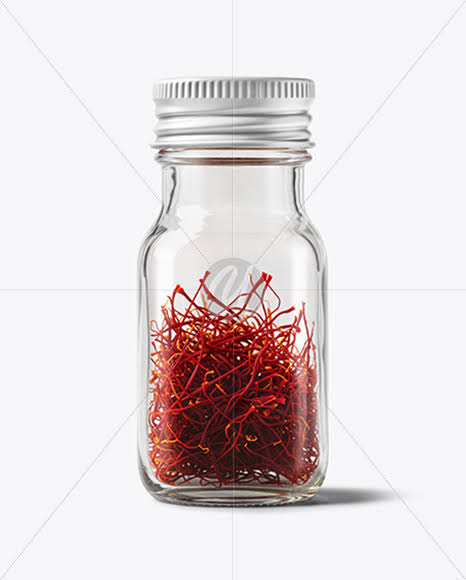
Selling Saffron Online
- Show clear product photos and close-ups of the threads
- Explain how to judge quality, so buyers can check what they receive
- Share cooking tips, such as how to soak saffron before use
- Respond to questions quickly and handle returns fairly
- Describe the grade and origin in plain language
Building Trust Through Education
Educational content can help customers understand saffron before they buy. Our Kashmiri saffron guide explains harvesting, grades and cooking uses, which can help buyers make informed choices. Recipe content, such as our kesar doodh recipe, shows customers how to use the product at home.
Pricing and Value
Saffron is expensive for good reasons, and buyers understand that when the reasons are explained. Sellers can talk about the labour involved, the grade and the care in handling. Very low prices should raise questions rather than attract customers, because they can signal adulteration.
Common Marketing Mistakes
- Making claims about quality without evidence
- Using packaging that lets in light and air
- Ignoring the risk of adulterated products in the market
- Hiding the grade or origin from buyers
Frequently Asked Questions
Does a GI tag guarantee quality?
A GI tag identifies a product’s geographical origin. Buyers should still check grade, freshness and the seller’s reputation.
What is the best way to market saffron?
Combine honest labelling, protective packaging, clear quality information and useful cooking content.
Should I buy saffron from a marketplace?
You can, but compare sellers carefully, read reviews, check the grade and be cautious about prices that seem too good to be true.
Final Thoughts
Marketing Kashmiri saffron works best when it is honest and educational. Clear origin, careful packaging and useful guidance help customers trust what they buy. For more on the spice itself, see Wikipedia’s saffron article.
Pingback: How Food Packaging Influences Branding and Customer Decisions – Flavor Heaven