Short Description:
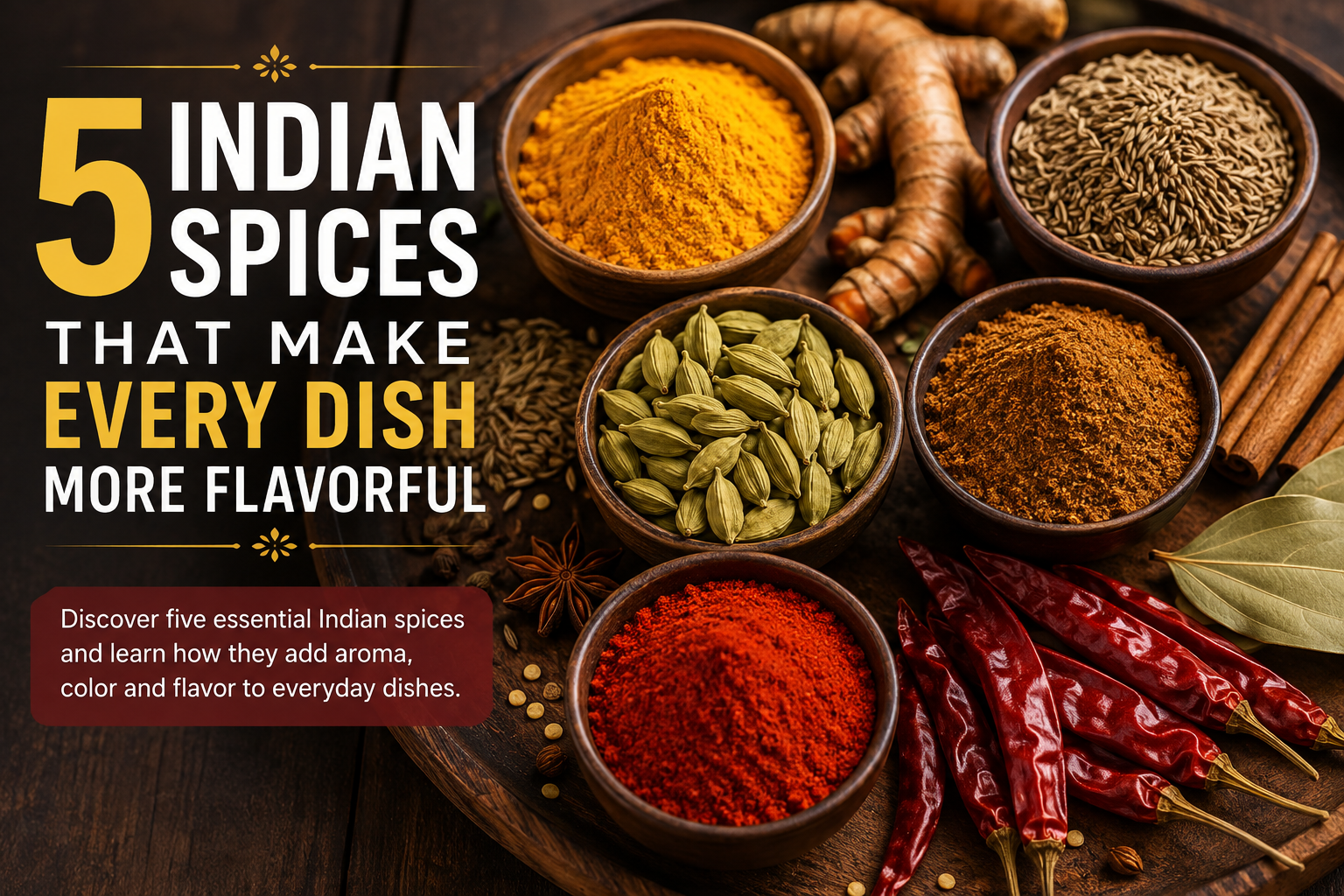
Discover five essential Indian spices and learn how they add aroma, color, and flavor to everyday dishes.
Indian food is loved around the world for its rich aroma, vibrant colors, and layers of flavor. While recipes may vary from one region to another, spices are at the heart of almost every Indian kitchen. A small amount of the right spice can completely transform a simple dish into something delicious and memorable.
You don’t need dozens of spices to start cooking flavorful Indian food. In fact, there are a few essential spices that are especially useful for everyday cooking. From the golden color of turmeric to the warmth of cumin and the gentle heat of red chilli, these ingredients can make a noticeable difference to your meals.
You don’t need a large collection of spices to create flavorful Indian dishes. A handful of versatile spices can form the foundation of countless recipes and help you understand the basics of Indian cooking. In this guide, we’ll explore five essential Indian spices—turmeric, cumin, cardamom, garam masala, and red chilli—and discover how each one can add something unique to your everyday meals. Whether you’re a beginner in the kitchen or simply a food lover who wants to understand Indian flavors better, these spices are a great place to start.
Here are five Indian spices every food lover should know and keep in their kitchen.
1. Turmeric – The Golden Spice
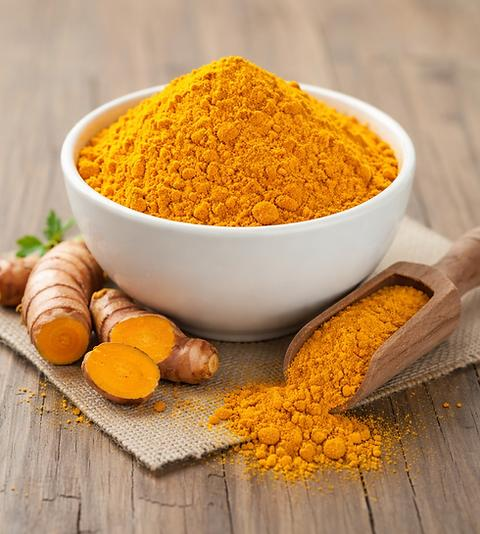
Turmeric is one of the most recognizable spices in Indian cooking. Made from the dried and ground root of the turmeric plant, it has a bright yellow-golden color and a warm, earthy flavor.
Turmeric is commonly used in dishes such as dal, vegetable curries, rice dishes, soups, and marinades. Even a small amount can give food a beautiful golden color.
One of the best things about turmeric is its versatility. It can be added while cooking onions and other spices or mixed into marinades for vegetables and other ingredients. It is also an important ingredient in many traditional Indian recipes.
Turmeric has a slightly bitter, earthy taste, so it is usually combined with other spices rather than used alone. When balanced properly, it adds depth without overpowering the main ingredients.
Cooking Tip:
Use turmeric in small quantities. A little is usually enough to provide color and flavor.
2. Cumin – A Warm and Earthy Spice
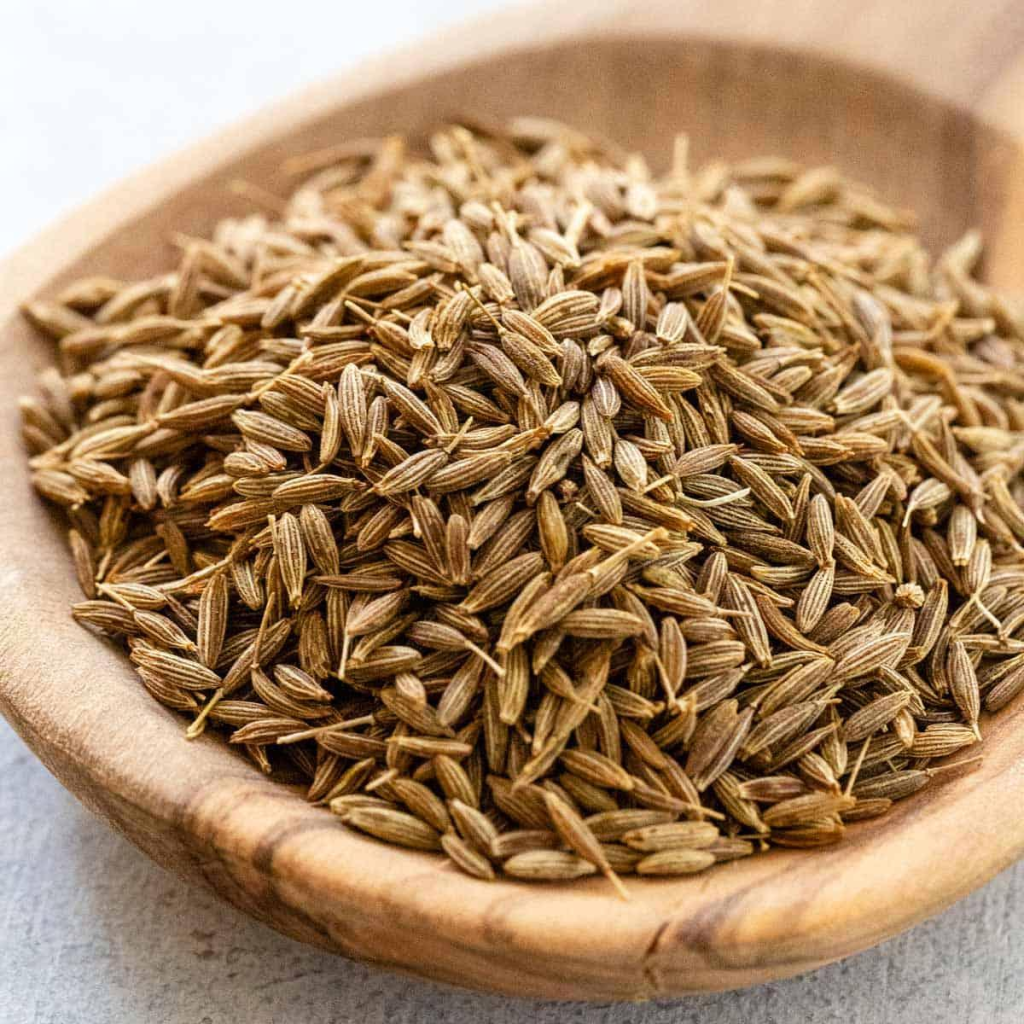
Cumin, commonly known as jeera, is another essential spice in Indian cooking. These small brown seeds have a distinctive earthy aroma and slightly nutty flavor.
Cumin can be used in both whole and ground form. Whole cumin seeds are often added to hot oil or ghee at the beginning of cooking. This process, known as tempering, releases their aroma and allows their flavor to spread throughout the dish.
Cumin is commonly used in dal, curries, rice dishes, vegetable preparations, raita, and spice blends. Roasted cumin powder is also popular as a finishing spice for dishes such as raita, salads, and chaats.
The warm flavor of cumin works particularly well with potatoes, lentils, chickpeas, and many vegetables.
Cooking Tip:
When using whole cumin seeds, add them to hot oil or ghee and let them sizzle for a few seconds before adding other ingredients.
3. Cardamom – Sweet and Aromatic
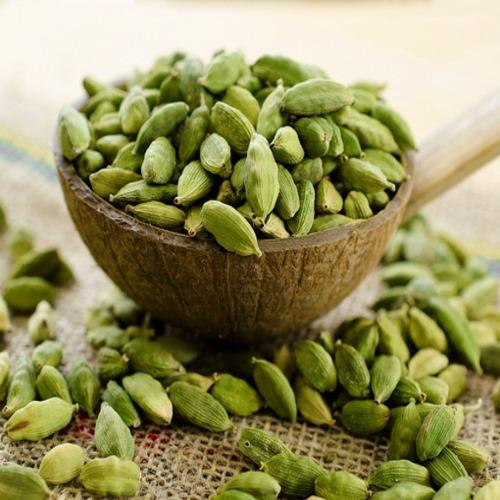
Cardamom is a small but highly aromatic spice that can add an elegant fragrance to both sweet and savory dishes. Green cardamom is especially popular in Indian cooking.
It has a naturally sweet, floral, and slightly spicy aroma. Because of its strong flavor, only a small amount is usually required.
Cardamom is frequently used in Indian desserts such as kheer, gulab jamun, and various milk-based sweets. It is also used in beverages such as masala chai.
In savory cooking, cardamom can be found in biryanis, pulao, rich curries, and spice blends. The whole pods are often added during cooking and removed before serving, while the seeds can also be crushed and used as a powder.
Cardamom is especially useful when you want to add a subtle sweet aroma to a dish without adding sugar.
Cooking Tip:
Lightly crush cardamom pods before adding them to tea, rice, or curries. This helps release their natural aroma.
4. Garam Masala – The Classic Indian Spice Blend
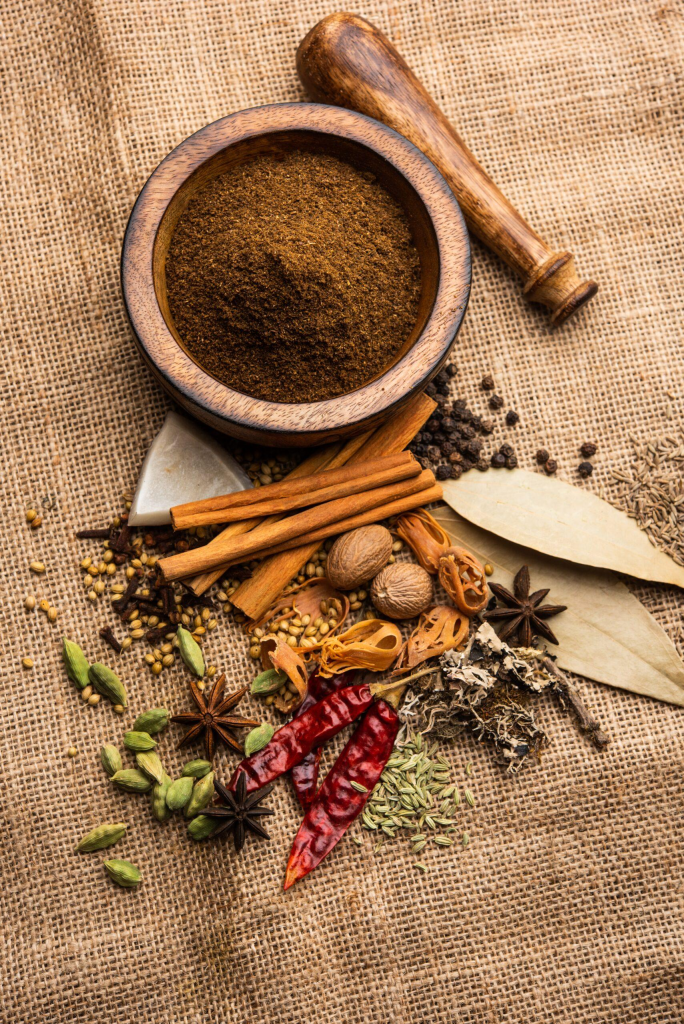
Unlike the other spices on this list, garam masala is usually a blend of several spices rather than a single ingredient. Its exact ingredients can vary depending on the recipe and region.
A typical garam masala may include spices such as cumin, coriander, cardamom, cinnamon, cloves, and black pepper. The combination creates a warm, fragrant, and complex flavor.
Garam masala is used in many popular Indian dishes, including vegetable curries, chicken dishes, paneer preparations, lentils, and rice dishes.
One important thing to remember is that garam masala does not always need to be added at the beginning of cooking. In many recipes, adding it toward the end helps preserve its aroma and gives the finished dish a richer fragrance.
Because different brands and homemade blends can have different flavors, it is a good idea to start with a small amount and adjust according to taste.
Cooking Tip:
Add garam masala near the end of cooking when you want its aroma to stand out.
5. Red Chilli – Adding Heat and Color
Red chilli is one of the easiest ways to add heat and vibrant color to Indian dishes. It can be used as whole dried chillies, chilli flakes, or ground chilli powder.
Different types of red chilli have different levels of heat. Some varieties are mainly used to provide color and a mild flavor, while others can make a dish considerably hotter.
Red chilli powder is commonly used in curries, dals, vegetable dishes, marinades, chutneys, and spice mixes. Whole dried red chillies are often added to hot oil during tempering to release their flavor and aroma.
If you enjoy spicy food, red chilli can bring an exciting kick to your meals. However, it is best to add it gradually because the heat can vary greatly between different chilli varieties.
Cooking Tip:
If you’re unsure about the heat level of a chilli powder, start with a small amount and add more after tasting the dish.
How to Use These Spices Together
The real magic of Indian cooking often comes from combining spices rather than using them individually.
For example, cumin can provide an earthy base, turmeric can add color and depth, red chilli can bring heat, and garam masala can provide a warm finishing aroma. Cardamom can then add a subtle sweet fragrance to certain rice dishes, beverages, and desserts.
The key is balance. Using more spices does not necessarily make a dish better. Understanding how much of each spice to use is what helps create a well-balanced flavor.
Start with small quantities and gradually adjust according to your taste. As you cook more often, you’ll naturally become better at recognizing which spices work well together.
Simple Spice Tips for Beginners
If you’re just starting to explore Indian cooking, keep these simple tips in mind:
- Store spices in airtight containers away from direct sunlight and moisture.
- Buy spices in smaller quantities if you don’t use them regularly.
- Toast whole spices gently to bring out their aroma.
- Avoid burning spices because they can develop a bitter taste.
- Add strong spices such as cardamom and garam masala carefully.
- Taste your food while cooking and adjust the seasoning gradually.
- Label spice containers so they are easy to identify.
Final Thoughts
Indian spices are much more than ingredients that make food spicy. They bring together aroma, color, warmth, sweetness, earthiness, and depth.
Turmeric, cumin, cardamom, garam masala, and red chilli are five excellent spices to begin with if you want to explore Indian cooking. Once you become familiar with their individual flavors, you can experiment with different combinations and create your own favorite dishes.
Whether you’re preparing a simple dal, a vegetable curry, fragrant rice, or a cup of masala chai, the right spices can turn everyday ingredients into something special.
Start with these five essentials, experiment with different combinations, and discover the wonderful world of Indian flavors one dish at a time.