
Eating healthy doesn’t mean giving up your favorite foods or spending hours in the kitchen. In fact, the way you cook your food can be just as important as the ingredients you choose. Simple changes in your cooking methods can help preserve nutrients, reduce unnecessary fat, and make everyday meals both delicious and satisfying.
Many people believe healthy cooking is complicated, but it’s really about making smarter choices. Whether you’re preparing breakfast before work, cooking lunch for your family, or making a quick dinner after a busy day, choosing the right cooking method can make a noticeable difference.
In this guide, you’ll discover practical and beginner-friendly cooking methods that can help you prepare healthier meals every day without sacrificing flavor.
Why Healthy Cooking Methods Matter
The nutrients in vegetables, grains, and proteins can change depending on how they are cooked. Some methods help retain vitamins and minerals, while others may require large amounts of oil or expose food to very high temperatures.
Healthy cooking methods can help you:
- Reduce excess oil and calories
- Preserve natural nutrients
- Improve food texture
- Enhance natural flavors
- Support a balanced diet
- Make everyday meals lighter and fresher
The goal isn’t perfection—it’s making small improvements that are easy to maintain.
1. Steaming

Steaming is one of the healthiest ways to cook vegetables. Since the food isn’t submerged in water, many vitamins stay intact.
Best For
- Broccoli
- Carrots
- Beans
- Spinach
- Fish
- Dumplings
Benefits
- Uses little or no oil
- Helps preserve nutrients
- Keeps vegetables colorful and slightly crisp
A squeeze of lemon and a pinch of black pepper can add plenty of flavor after steaming.
2. Grilling

Grilling allows excess fat to drip away while giving food a delicious smoky flavor.
Best For
- Chicken
- Fish
- Paneer
- Mushrooms
- Bell peppers
- Corn
Benefits
- Requires less oil
- Creates rich flavor naturally
- Produces a crispy exterior while keeping the inside tender
Avoid overcooking food, as excessive charring is not ideal.
3. Baking

Baking is an excellent alternative to deep frying.
Best For
- Sweet potatoes
- Chicken
- Fish
- Mixed vegetables
- Homemade snacks
Benefits
- Uses very little oil
- Even cooking
- Easy cleanup
Roasted vegetables become naturally sweeter and more flavorful.
4. Stir-Frying
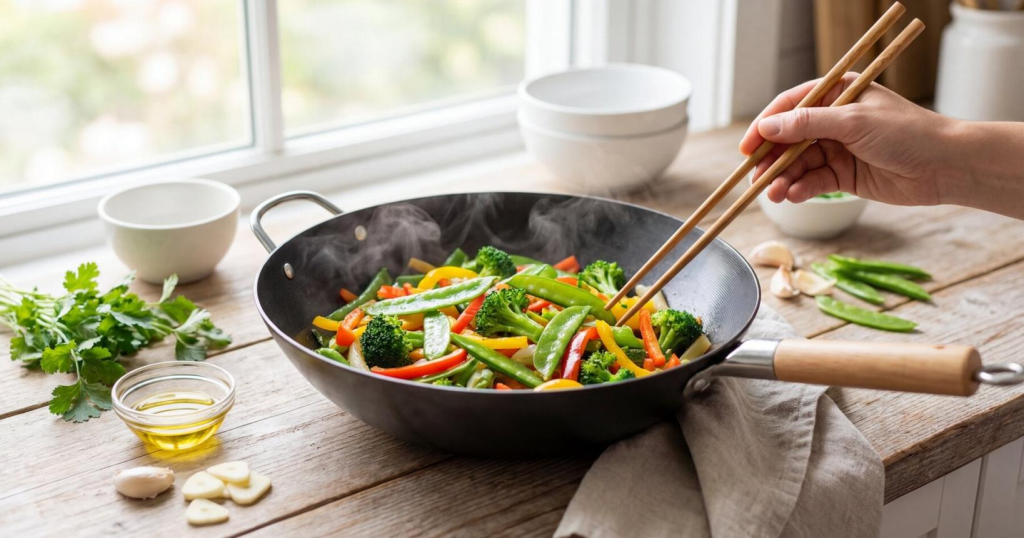
Using a small amount of healthy cooking oil over medium-high heat keeps vegetables crisp while cooking them quickly.
Best For
- Mixed vegetables
- Tofu
- Paneer
- Chicken strips
- Noodles
Tips
- Use just enough oil to coat the pan.
- Keep vegetables moving.
- Cook for only a few minutes to maintain texture.
5. Boiling

Boiling is one of the simplest cooking methods.
Best For
- Rice
- Lentils
- Eggs
- Potatoes
- Pasta
Benefits
- Requires no added fat
- Easy for beginners
- Great for meal preparation
Avoid overcooking vegetables, as this can reduce their texture and some heat-sensitive nutrients.
6. Pressure Cooking
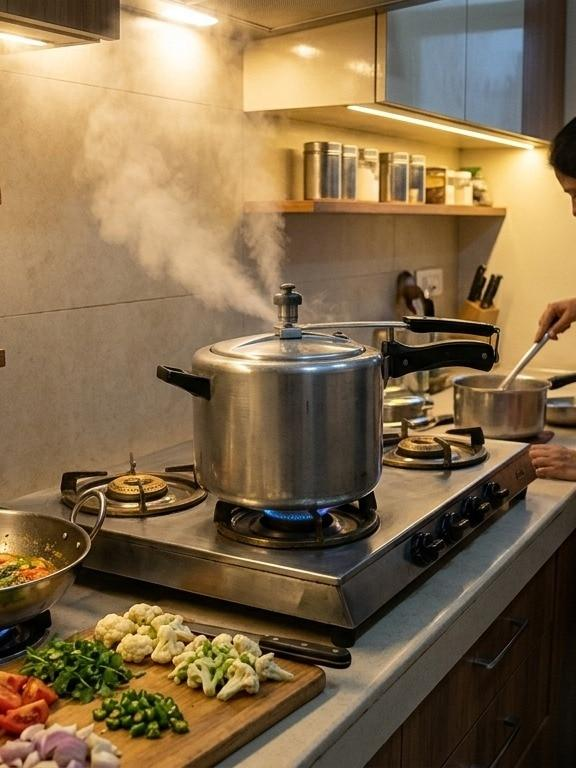
Pressure cookers save both time and energy while cooking food thoroughly.
Best For
- Dal
- Chickpeas
- Kidney beans
- Rice
- Soups
Benefits
- Faster cooking
- Excellent for legumes
- Helps soften tough ingredients
It’s one of the most commonly used healthy cooking methods in Indian kitchens.
7. Air Frying

Air fryers have become popular because they create crispy textures using much less oil than traditional deep frying.
Best For
- Potato wedges
- Paneer
- Chicken
- Cauliflower
- Frozen snacks
Benefits
- Uses significantly less oil
- Crispy finish
- Convenient for quick meals
Remember, air-fried foods can still be part of a balanced diet when enjoyed in moderation.
Healthy Oils to Use
Different oils are suitable for different types of cooking.
Some commonly used options include:
- Mustard oil
- Groundnut (peanut) oil
- Olive oil
- Sunflower oil
- Rice bran oil
Use oil in moderation, regardless of the type.
Simple Ways to Make Everyday Meals Healthier

Small changes can have a big impact.
Try these ideas:
- Add more vegetables to your meals.
- Choose whole grains when possible.
- Reduce deep-fried foods.
- Use fresh herbs for flavor.
- Replace sugary drinks with water.
- Control portion sizes.
- Cook at home more often.
Healthy eating doesn’t require expensive ingredients—consistency matters more.
Common Mistakes to Avoid
Many people unintentionally make healthy meals less nutritious.
Some common mistakes include:
- Using too much cooking oil
- Overcooking vegetables
- Adding excessive salt
- Eating large portions
- Depending on processed foods
- Skipping fruits and vegetables
Being mindful of these habits can improve the overall quality of your meals.
Healthy Cooking Tips for Beginners
If you’re just starting your healthy cooking journey, remember these simple tips:
- Plan meals before grocery shopping.
- Keep fresh vegetables in your kitchen.
- Learn a few basic recipes.
- Taste food before adding extra salt.
- Experiment with herbs and spices instead of relying only on oil and butter.
- Prepare extra portions for the next day’s lunch.
Healthy cooking becomes easier with practice.
Final Thoughts
Healthy cooking isn’t about following strict rules or eliminating your favorite foods. It’s about making everyday meals more balanced by choosing cooking methods that preserve flavor while reducing unnecessary fat and excess calories.
Steaming, grilling, baking, boiling, stir-frying, pressure cooking, and air frying are all excellent techniques that fit into a healthy lifestyle. Combined with fresh ingredients and mindful eating habits, these methods can help you prepare meals that are nourishing, satisfying, and enjoyable.
Start with one small change today. Replace one deep-fried dish with a baked or grilled version, add an extra serving of vegetables to your plate, or try steaming instead of frying. Over time, these simple habits can make healthy cooking feel natural and rewarding.
Frequently Asked Questions
Which cooking method is the healthiest?
Steaming is often considered one of the healthiest methods because it helps preserve many nutrients while requiring little or no added oil.
Is grilling healthier than frying?
Yes. Grilling usually requires less oil and allows excess fat to drain away, making it a healthier option than deep frying.
Can I cook healthy food without expensive equipment?
Absolutely. A pressure cooker, saucepan, and non-stick pan are enough to prepare many healthy meals at home.
Is air frying completely oil-free?
Not always. Many recipes use a small amount of oil, but much less than traditional deep frying.