
Have you ever wondered why Indian food has such a rich aroma and unforgettable taste? The answer lies in its spices. Indian spices do much more than add flavor—they bring color, aroma, texture, and even health benefits to every meal.
If you’re new to cooking or want to understand the spices sitting in your kitchen, this guide is for you. In this article, we’ll explore some of the most commonly used Indian spices, what they taste like, how they’re used, and why they’ve been valued for generations.
Let’s dive into the wonderful world of Indian spices.
What Makes Indian Spices So Special?
Indian cooking is built around balancing flavors. Instead of relying on just one seasoning, recipes often combine several spices to create layers of taste.
Some spices add warmth, while others bring freshness, sweetness, or heat. Together, they turn simple ingredients into delicious meals.
Another reason Indian spices are so popular is that many contain natural compounds that have been used in traditional cooking and wellness practices for centuries.
1. Turmeric (Haldi)

Turmeric is one of the most recognizable spices in Indian kitchens. It gives curries their beautiful golden-yellow color and has a mild, earthy flavor.
Common Uses
- Dal
- Vegetable curries
- Rice dishes
- Soups
- Marinades
Flavor
- Warm
- Earthy
- Slightly bitter
Health Benefits
Turmeric contains curcumin, a natural compound known for its antioxidant and anti-inflammatory properties. Many people also enjoy turmeric milk as a comforting drink.
2. Cumin (Jeera)

Cumin is one of the first spices added to hot oil in many Indian recipes. This process releases its rich aroma.
Common Uses
- Tadka for dal
- Rice
- Vegetable dishes
- Chutneys
- Spice blends
Flavor
- Earthy
- Nutty
- Slightly smoky
Health Benefits
Cumin is often used to support digestion and adds plenty of flavor without needing extra salt.
3. Coriander (Dhania)
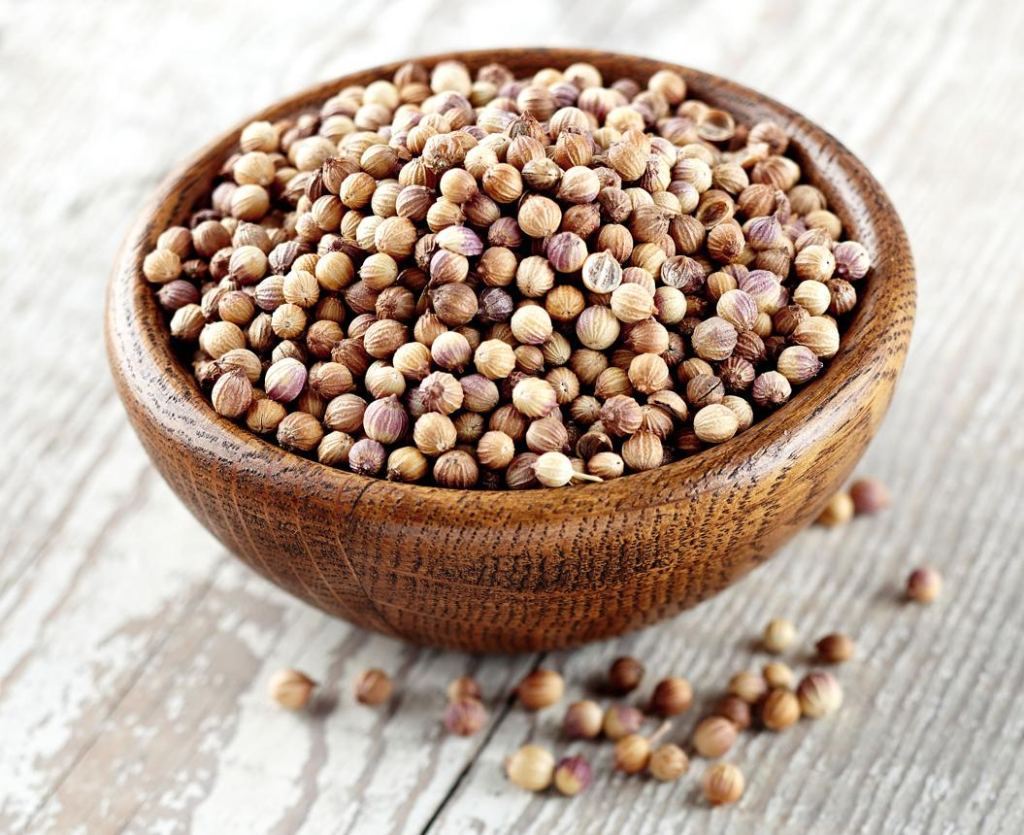
Ground coriander has a gentle citrus-like flavor that balances stronger spices.
Common Uses
- Curry powders
- Vegetable dishes
- Meat recipes
- Lentils
Flavor
- Mild
- Fresh
- Slightly sweet
Health Benefits
Coriander is a good source of antioxidants and is commonly used in everyday home cooking.
4. Red Chili Powder (Lal Mirch)

If you enjoy spicy food, red chili powder is probably already in your kitchen.
Common Uses
- Curries
- Marinades
- Snacks
- Stir-fries
Flavor
- Hot
- Smoky (depending on the variety)
Health Benefits
Chili peppers contain vitamin C and capsaicin, the compound responsible for their heat.
5. Mustard Seeds (Rai)
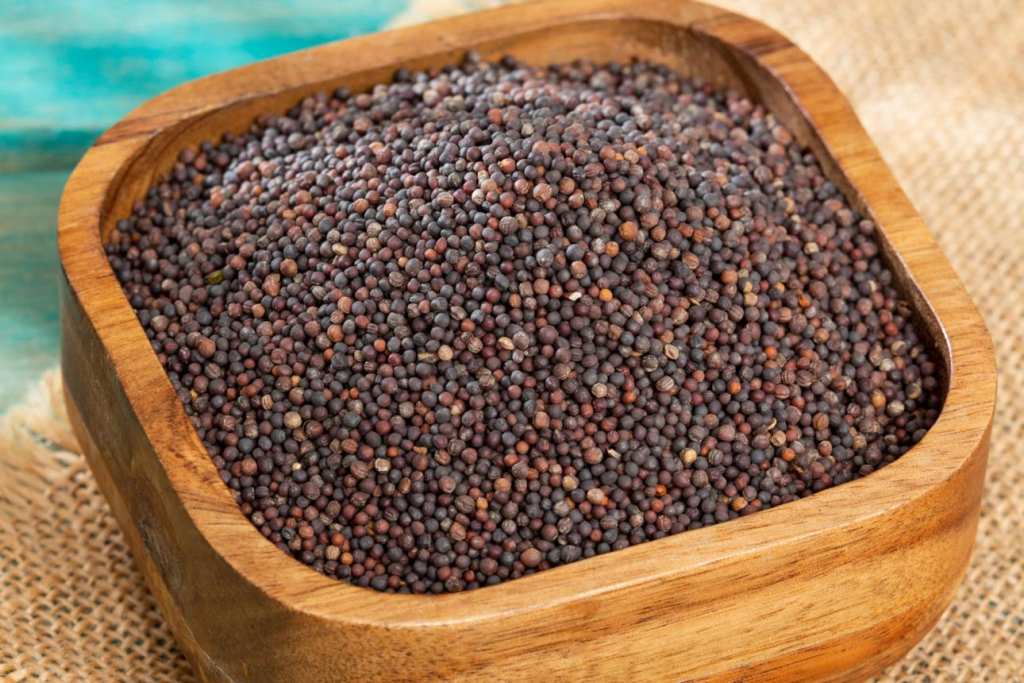
Mustard seeds are commonly used for tempering dishes in many parts of India.
Common Uses
- South Indian curries
- Pickles
- Vegetable stir-fries
- Coconut chutneys
Flavor
- Sharp
- Nutty
- Slightly spicy
When heated in oil, mustard seeds pop and release their distinctive aroma.
6. Garam Masala

Unlike a single spice, garam masala is a blend of several spices, including cinnamon, cloves, cardamom, black pepper, and cumin.
Common Uses
- Butter chicken
- Paneer dishes
- Dal
- Vegetable curries
Flavor
- Warm
- Aromatic
- Slightly sweet
Usually, garam masala is added near the end of cooking to preserve its aroma.
7. Cardamom (Elaichi)
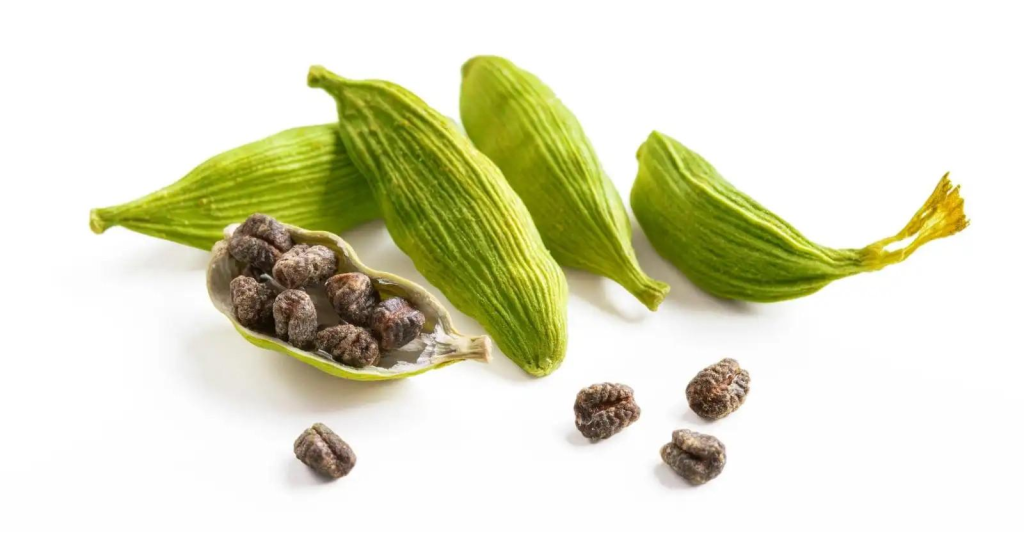
Cardamom is famous for its sweet fragrance.
Common Uses
- Tea (Masala Chai)
- Rice pudding
- Biryani
- Desserts
Flavor
- Sweet
- Floral
- Refreshing
It is often used in both sweet and savory recipes.
8. Cinnamon (Dalchini)
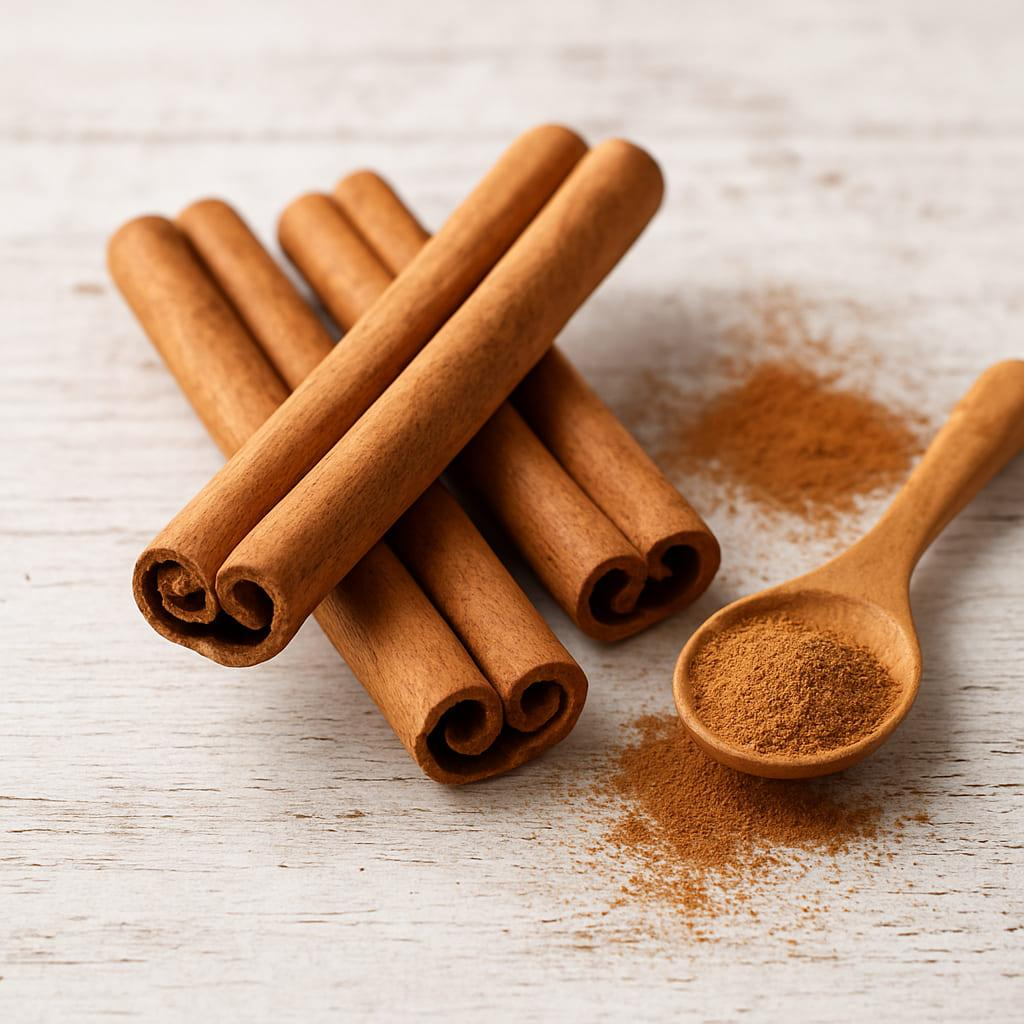
Cinnamon adds warmth and sweetness without adding sugar.
Common Uses
- Biryani
- Curries
- Desserts
- Chai
Flavor
- Sweet
- Woody
- Warm
Cinnamon pairs beautifully with cloves and cardamom in spice blends.
9. Cloves (Laung)

Cloves have a very strong aroma, so only a few are needed.
Common Uses
- Rice
- Biryani
- Masala tea
- Curries
Flavor
- Strong
- Sweet
- Slightly spicy
10. Black Pepper (Kali Mirch)
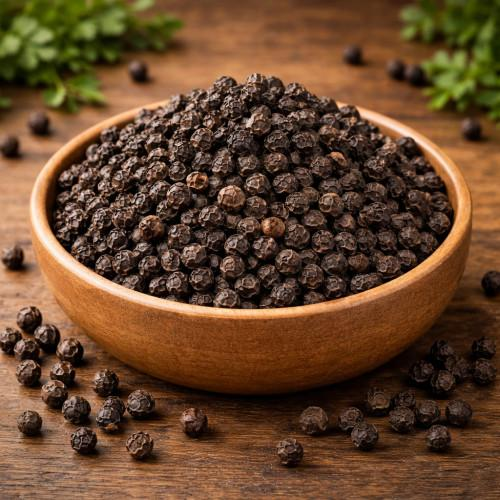
Black pepper is often called the “King of Spices.”
Common Uses
- Soups
- Egg dishes
- Salads
- Spice blends
Flavor
- Sharp
- Warm
- Mildly spicy
Freshly ground black pepper usually has a stronger aroma than pre-ground pepper.
Tips for Storing Indian Spices

To keep spices fresh:
- Store them in airtight containers.
- Keep them away from direct sunlight.
- Avoid moisture.
- Use dry spoons when handling spices.
- Replace old spices if their aroma becomes weak.
Proper storage helps maintain both flavor and freshness.
Health Benefits of Indian Spices
Many Indian spices are naturally rich in plant compounds that contribute to a balanced diet. While they are not medicines, they can be a flavorful part of healthy eating.
Some commonly recognized benefits include:
- Rich in antioxidants
- Add flavor without extra calories
- Support enjoyable home cooking
- Encourage the use of fresh ingredients
- Can reduce the need for excess salt in recipes
A healthy lifestyle still depends on an overall balanced diet and regular physical activity.
Common Mistakes Beginners Make
If you’re just starting to cook with spices, avoid these common mistakes:
- Adding too much spice at once
- Burning spices in very hot oil
- Using expired spices with little aroma
- Skipping tempering when the recipe calls for it
- Not tasting food before serving
Start with small amounts and adjust gradually.
Final Thoughts
Indian spices are the heart of Indian cooking. Each spice has its own personality, and when combined thoughtfully, they create dishes full of flavor, aroma, and warmth. Whether you’re making a simple dal, a vegetable curry, or a festive biryani, understanding your spices will make you a more confident cook.
The best way to learn is through practice. Try using one new spice at a time, notice how it changes the flavor of your dish, and soon you’ll develop an instinct for creating delicious meals. With a well-stocked spice rack and a little curiosity, every meal can become a flavorful experience.
Frequently Asked Questions
Which Indian spice is used the most?
Turmeric, cumin, coriander, and red chili powder are among the most commonly used spices in Indian cooking.
What is garam masala?
Garam masala is a blend of aromatic spices such as cinnamon, cloves, cardamom, cumin, and black pepper.
How long do spices stay fresh?
Whole spices generally keep their flavor for about 2–4 years, while ground spices are best used within 1–2 years when stored properly.
Should spices be stored in the refrigerator?
No. Store them in airtight containers in a cool, dry place away from heat, moisture, and direct sunlight.