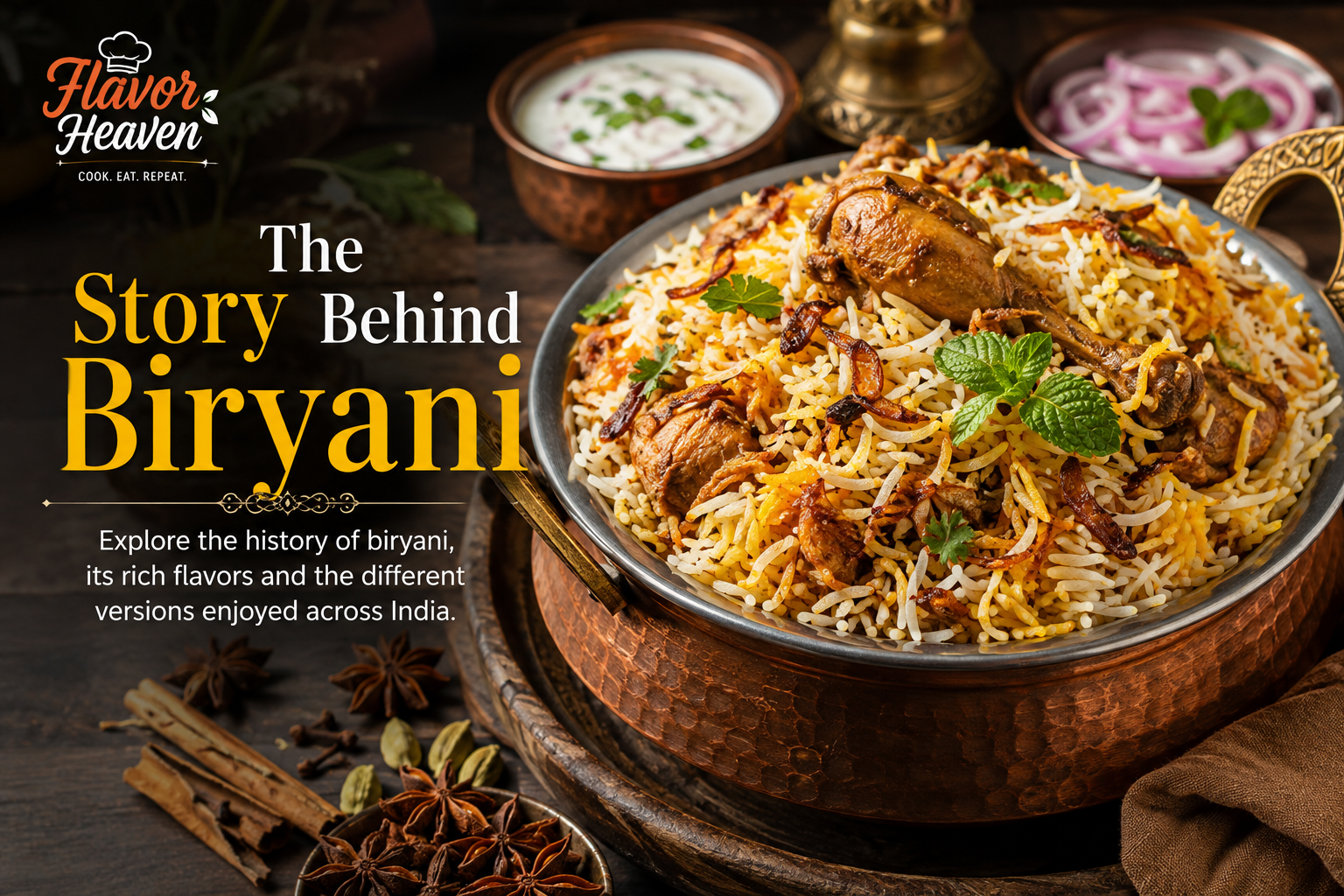
Few dishes represent the richness and diversity of Indian cuisine as beautifully as biryani. With fragrant basmati rice, aromatic spices, tender meat or vegetables, caramelized onions and layers of delicious flavors, biryani Indian Biryani Varieties has become one of the most loved dishes in India and around the world.
But biryani is much more than a flavorful rice dish. Behind every plate is a story of traditions, cultures, cooking techniques and regional influences. Indian biryani varieties reflect the diverse culinary traditions of the country, with each region offering its own ingredients, cooking methods and distinctive flavors.
From the famous Hyderabadi biryani to the delicate Lucknowi biryani, every version has its own personality. So, how did biryani become such an important part of Indian food culture?
Let’s explore the fascinating history of biryani, its unique flavors and some of the most popular varieties found across India.
What Is Biryani?
Biryani combines fragrant rice, spices, and ingredients such as chicken, mutton, fish, eggs, or vegetables in delicious layers.
One of the secrets behind its distinctive taste is the combination of aromatic spices. Common ingredients include:
- Basmati rice
- Cardamom
- Cinnamon
- Cloves
- Bay leaves
- Star anise
- Saffron
- Fried onions
- Mint
- Coriander
- Ginger and garlic
Depending on the region and recipe, yogurt, tomatoes, green chilies and various spice blends may also be used.
Unlike ordinary rice dishes, biryani is often prepared by carefully layering ingredients and allowing them to cook together so that the rice absorbs the aromas and flavors.
The History of Biryani
The exact origin of biryani is still debated, and several stories surround its history.
Many food historians connect biryani with Persian and Central Asian culinary traditions. The word is commonly associated with Persian terms related to cooking or frying rice and ingredients.
Culinary traditions from Central Asia and Persia helped shape biryani as they traveled to the Indian subcontinent.
The Mughal period played an important role in the development of rich rice-based dishes in India. Royal kitchens combined local ingredients and cooking traditions with influences from Persian cuisine.
Over time, cooks across different regions adapted the dish according to local tastes, ingredients, and cooking methods.
This is one reason why there isn’t just one “original” biryani today. Instead, India has developed many regional styles.
Why Does Biryani Have So Much Flavor?
The magic of biryani comes from layering flavors rather than relying on just one ingredient.
Aromatic spices provide warmth and fragrance, while fried onions add sweetness and texture. Fresh mint and coriander bring freshness, and saffron can provide a delicate floral aroma and beautiful color.
In Addition, another important element is the rice.
Long-grain basmati rice is commonly preferred because its grains become fragrant and remain relatively separate when cooked properly.
The cooking process is equally important. In many traditional preparations, partially cooked rice is layered with the meat or vegetables and finished over low heat.
This slow cooking method allows the flavors to come together.
Popular Regional Varieties of Biryani
Moreover, India’s regional diversity appears clearly in its biryani traditions.
1. Hyderabadi Biryani

Hyderabadi biryani is one of India’s most famous biryani styles.
It is strongly associated with Hyderabad and is known for its bold spices and aromatic flavors. A popular preparation method involves dum cooking, where ingredients are sealed and slowly cooked together.
Hyderabadi biryani is commonly prepared with chicken or mutton, although vegetarian versions are also available.
The combination of fragrant rice, spices, herbs and tender meat creates a rich and satisfying dish.
2. Lucknowi Biryani

Also known as Awadhi biryani, Lucknowi biryani comes from the culinary traditions of Lucknow.
Compared with some stronger and spicier versions, Awadhi biryani is often appreciated for its delicate aroma and balanced flavors.
The cooking technique emphasizes the fragrance of the rice and spices rather than overwhelming heat.
Its connection with Awadhi royal cuisine gives it a special place in India’s culinary history.
3. Kolkata Biryani
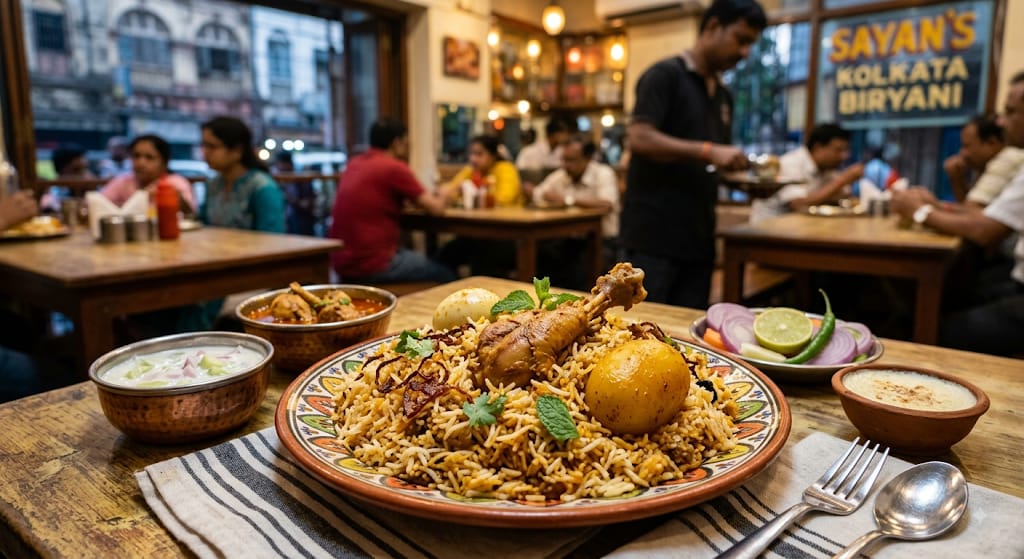
Kolkata biryani has a distinctive identity.
One of its most recognizable ingredients is the potato, which is often cooked alongside meat and rice. Eggs are also commonly included.
Compared with some other varieties, Kolkata biryani tends to have a relatively lighter spice profile while maintaining a wonderful aroma.
The potato absorbs the flavorful cooking juices, making it one of the most loved parts of the dish.
4. Malabar Biryani

Malabar biryani comes from the Malabar region of Kerala and reflects the area’s rich food culture and historical connections with traders from different parts of the world.
It is often prepared using regional varieties of rice rather than the long-grain basmati commonly associated with North Indian biryani.
Chicken, mutton and seafood versions can be found, and the dish is often accompanied by chutneys, pickles and salads.
How Is Traditional Biryani Cooked?
Although recipes differ, traditional biryani often follows several important steps.
First, the rice is prepared separately or partially cooked depending on the cooking method. The meat or vegetables are seasoned with spices and other ingredients.
The rice and filling are then arranged in layers.
Fried onions, mint, coriander and saffron may be added between the layers to enhance the aroma.
Finally, the pot can be sealed and cooked slowly over low heat. This technique is commonly known as dum cooking.
The goal is to allow steam and gentle heat to distribute the flavors throughout the dish.
What Makes Biryani Special?
Biryani is special because it brings together several different elements in one dish: fragrance, texture, color, spice and tradition.
Every region has adapted the dish according to its own ingredients and cultural influences.
For some families, biryani is a weekend meal. For others, it is associated with weddings, festivals, celebrations and family gatherings.
That emotional connection is one reason biryani continues to remain popular across generations.
What Do You Serve With Biryani?
Biryani is delicious on its own, but several side dishes can make the meal even better.
Popular accompaniments include:
- Onion and cucumber raita
- Mint chutney
- Pickles
- Fresh salad
- Boiled eggs
- Lemon wedges
- Mirchi ka salan
A cool bowl of raita is especially popular because its creamy and refreshing flavor balances the spices of the biryani.
Frequently Asked Questions About Biryani
What is the origin of biryani?
The exact origin of biryani is debated. Its history is commonly connected with Persian and Central Asian culinary influences, which evolved significantly after reaching the Indian subcontinent.
Which biryani is the most famous in India?
Hyderabadi biryani is among the most internationally recognized Indian biryani varieties. Lucknowi, Kolkata and Malabar biryanis are also extremely popular.
What rice is best for biryani?
Long-grain basmati rice is widely used for many biryani recipes because of its fragrance and long, separate grains.
What is dum cooking?
Dum cooking is a slow-cooking technique in which ingredients are cooked in a sealed pot. The trapped steam helps distribute aroma and flavor throughout the dish.
Final Thoughts
The story behind biryani is really a story about how food travels, changes and becomes part of new cultures.
From royal kitchens and historical trade routes to modern restaurants and family kitchens, biryani has continued to evolve while retaining its unmistakable identity.
Whether you prefer spicy Hyderabadi biryani, delicate Lucknowi biryani, potato-filled Kolkata biryani or flavorful Malabar biryani, every variety offers something different.
And perhaps that is what makes biryani so special: there isn’t just one way to enjoy it.
At Flavor Heaven, we believe every traditional dish has a story worth discovering—and biryani is certainly one of the most delicious stories in Indian cuisine.
Suggested internal links: Link phrases such as Indian Cuisine, Indian Recipes, Cooking Tips, and Food Blog to the corresponding Flavor Heaven pages on your website.